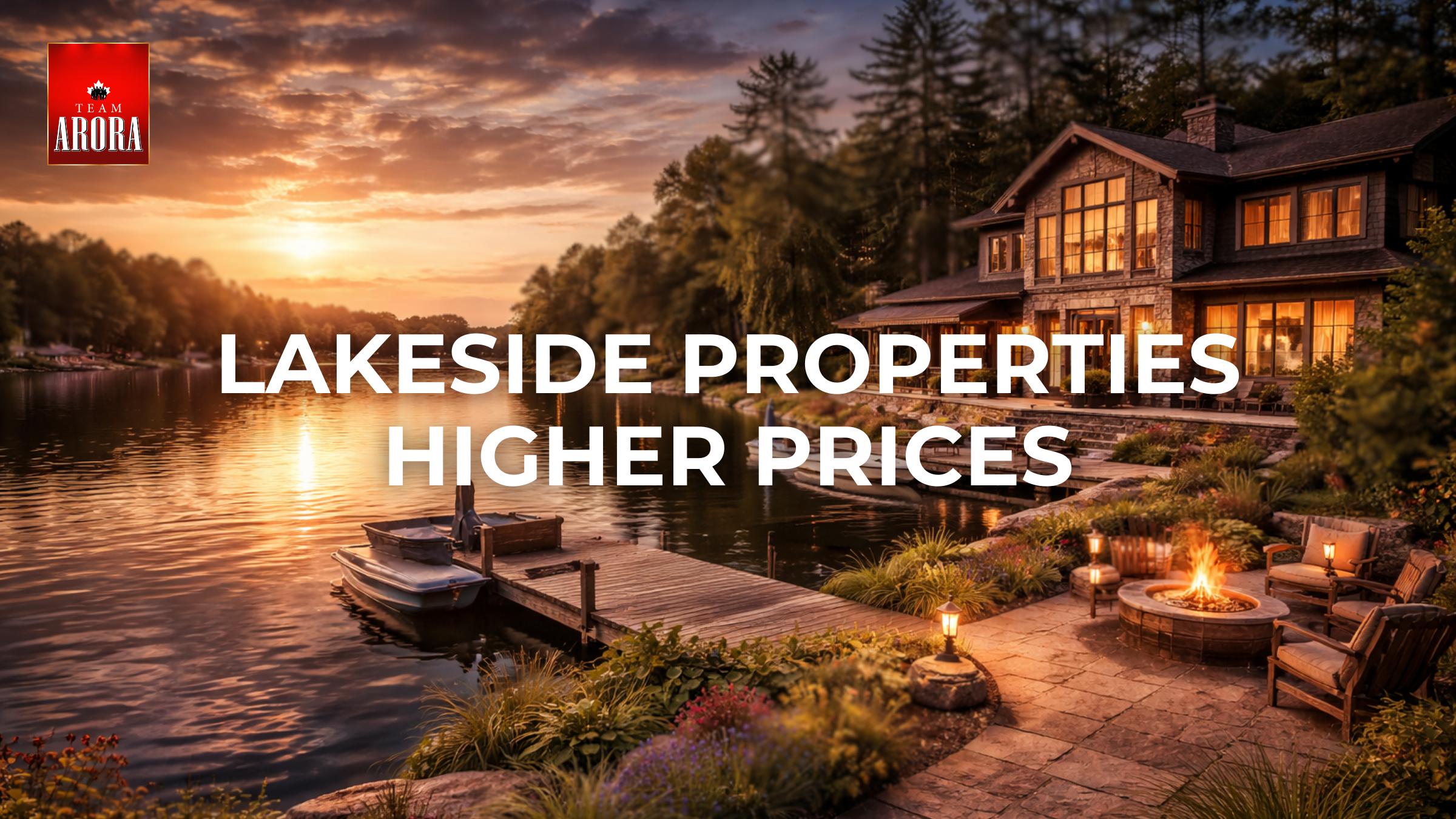
Most buyers quickly notice one trend when browsing real estate listings. Homes near water almost always come with a higher price tag. Whether it is a direct waterfront home or a property overlooking a lake, demand tends to stay strong even during slower markets.
In Brampton and nearby areas, limited lake-adjacent inventory combined with lifestyle appeal has made these homes especially desirable. Buyers interested in lakeside living should understand why these properties cost more and what to evaluate before making an offer.
This guide focuses on buying. It explains what drives value, where buyers should be cautious, and how to decide if a lakeside purchase makes sense long term.
Scarcity Is the First Price Driver
Land near water is limited. New lakes cannot be created easily, and zoning often restricts dense development near existing water bodies. This natural scarcity is one of the biggest reasons lakeside homes command higher prices.
When supply is fixed and demand grows, prices rise. That principle applies strongly to lake-adjacent real estate.
In Brampton, areas near water features such as Professor’s Lake attract consistent interest. Buyers looking for similar properties often compete for very few listings, especially detached homes with direct views.
Lifestyle Appeal Adds Long-Term Value
Lakeside living is not just about appearance. It is about lifestyle. Many buyers are willing to pay more for daily experiences that feel different from typical suburban living.
Common lifestyle benefits include:
- Peaceful views and a sense of openness
- Access to walking trails and outdoor recreation
- Reduced traffic noise compared to main-road locations
- A stronger connection to nature within the city
- Higher perceived quality of life
These benefits are difficult to replicate elsewhere. That uniqueness supports long-term demand.
Buyer Psychology Plays a Major Role
Lakeside homes often create emotional attachment. Buyers imagine mornings by the water or evenings with uninterrupted views. Emotional value can influence willingness to pay.
This does not mean buyers should overpay. But it explains why competition can be stronger for water-adjacent homes, especially when inventory is low.
Understanding this psychology helps buyers plan strategy. It also helps explain why sellers of lakeside homes are often firm on price.
Investment Stability During Market Shifts
Historically, unique property types tend to hold value better during market corrections. Lakeside properties fall into this category.
Because supply is limited, price declines are often less severe compared to standard suburban homes. While no property type is immune to market cycles, lakeside homes often recover faster once conditions improve.
This stability is one reason some buyers view lakeside homes as both lifestyle purchases and long-term investments.
What “Lakeside” Really Means
Not all lakeside homes are the same. Buyers should understand the difference between direct waterfront, lake-view, and lake-access properties.
- Direct waterfront: Property borders the lake. Highest premiums apply.
- Lake-view homes: Views without direct access. Still command higher prices.
- Lake-access homes: Nearby access points or shared rights. Premium varies.
Price differences between these categories can be significant. Buyers should clarify what they are paying for and confirm access rights through documentation.
Maintenance and Ownership Considerations
Buying near water comes with responsibilities. Higher prices reflect desirability, but buyers should also account for ownership realities.
Common considerations include:
- Potential for higher humidity and moisture exposure
- Additional exterior maintenance needs
- Local conservation or shoreline regulations
- Insurance considerations depending on proximity to water
These factors do not make lakeside homes undesirable. They simply require informed ownership.
Location Within the City Still Matters
Being near water does not replace other location fundamentals. Commute routes, schools, and amenities still influence value.
In Brampton, lakeside homes closer to major routes or established neighbourhoods often perform better than isolated pockets. Buyers should balance the water feature with daily practicality.
Pricing Strategy for Buyers
Because lakeside homes attract competition, buyers should prepare early. This includes financing readiness and realistic expectations.
Effective buyer preparation often involves:
- Understanding recent comparable sales near the lake
- Setting a firm maximum budget before viewing
- Evaluating condition carefully to avoid surprise costs
- Being flexible on closing dates when possible
Preparation reduces emotional decision-making when the right home appears.
A Real Buyer Experience
A couple searching near Professor’s Lake wanted a peaceful setting but worried about overpaying. They compared multiple homes, reviewed past sales, and focused on properties with long-term resale appeal.
They ultimately chose a lake-view home rather than direct waterfront. The decision balanced lifestyle benefits with budget discipline. Today, they enjoy the view while maintaining strong equity growth.
The lesson is simple. Not every buyer needs the highest-priced option to enjoy lakeside living.
Professional Guidance Makes a Difference
Lakeside purchases benefit from local expertise. Pricing nuances, access rights, and resale considerations require experience.
Working with a team that understands Brampton’s neighbourhood dynamics helps buyers avoid costly assumptions. Teams like Team Arora help buyers evaluate both emotional appeal and financial reality before committing.
Frequently Asked Questions
1. Why do lakeside homes cost more than similar homes inland?
Lakeside homes cost more due to limited supply, strong lifestyle appeal, and consistent buyer demand. These factors combine to support higher prices and long-term value stability.
2. Are lakeside properties a good investment?
They can be. Limited supply often supports value retention. However, buyers should still evaluate condition, location, and maintenance costs to ensure the investment aligns with long-term goals.
3. Is direct waterfront always better than lake-view?
Not always. Direct waterfront commands higher prices, but lake-view homes can offer similar enjoyment with lower costs and fewer maintenance concerns.
4. Do lakeside homes sell faster?
Often yes, especially in strong markets. Unique features attract attention quickly, but pricing accuracy and property condition still influence selling speed.
5. What should buyers check before purchasing near water?
Buyers should review access rights, maintenance needs, insurance considerations, and local regulations. These details help avoid surprises after closing.
Disclaimer
This content is for informational purposes only and does not constitute legal, financial, or real estate advice. Buyers should consult licensed professionals before purchasing any property.