What Is My Home Worth Right Now? Get a Free Online Home Evaluation in the GTA

If you own a home in the Greater Toronto Area, one of the most valuable questions you can ask is: “What is my home worth right now?” In a changing real estate market, your property value can shift based on buyer demand, interest rates, neighbourhood trends, recent sales, inventory levels, and the condition of your home. Even if you are not planning to sell immediately, knowing your current market value can help you make better financial decisions.

For many homeowners, the challenge is uncertainty. You may see one home in your neighbourhood sell quickly while another stays on the market longer. You may hear that prices are rising in one area but stabilizing in another. Without a proper evaluation, it becomes difficult to know where your property truly stands.

That is why a home evaluation is such an important first step. It gives you a clearer picture of your property’s estimated value and helps you understand what buyers may be willing to pay in today’s market.

To get started, you can use this free online tool: Get your free home evaluation here.

Also, get property evaluation on our website.

Why Knowing Your Home Value Matters

Your home is likely one of your biggest financial assets. Whether you are thinking about selling, refinancing, renovating, or simply planning for the future, knowing your home’s value gives you more control. It helps you understand your equity, compare your property with similar homes, and decide whether now is the right time to take action.

A proper home evaluation can also help you avoid emotional pricing. Many homeowners naturally feel their property is worth more because of the memories, upgrades, and effort they have put into it. While those things matter, buyers make decisions based on market value. A realistic evaluation helps bridge that gap.

  • It helps you understand your current equity position.
  • It gives you a realistic starting point before selling.
  • It supports better refinancing and financial planning decisions.
  • It helps you compare your property with recent neighbourhood sales.
  • It reduces the risk of overpricing or underpricing your home.

What Affects Your Home’s Value?

A home’s value is not based on one single factor. It is shaped by a combination of location, property condition, upgrades, lot size, layout, market timing, and buyer demand. Two homes on the same street can sell for different prices because buyers compare details closely.

For example, a renovated kitchen, finished basement, legal secondary suite, upgraded flooring, or modern bathrooms can increase buyer appeal. On the other hand, deferred maintenance, outdated finishes, poor staging, or an unrealistic asking price can reduce interest.

  • Neighbourhood demand and location strength.
  • Recent comparable sales near your property.
  • Home size, layout, age, and condition.
  • Renovations, upgrades, and special features.
  • Current inventory and buyer activity in your area.

Why Online Home Evaluations Are Useful

Online home evaluations are useful because they give homeowners a quick and convenient starting point. Instead of guessing or relying only on general market news, you can enter your property information and receive an estimate based on available market data.

This is especially helpful if you are early in the decision-making stage. You may not be ready to list your home, but you may want to know whether your property has gained value or whether selling could make sense in the near future.

You can begin here: Get a free online home evaluation.

When Should You Get a Home Evaluation?

You do not need to wait until you are ready to sell. Many homeowners check their home value before making major financial decisions. If you are planning renovations, reviewing your mortgage, considering downsizing, or thinking about buying another property, a home evaluation can help you plan with better information.

It is also useful when the market changes. If interest rates shift, buyer demand changes, or your neighbourhood sees major development, your property value may be affected. Checking your value regularly can help you stay prepared.

Final Thoughts

Knowing your home’s value is not only about selling. It is about making informed decisions. In the GTA, where real estate conditions can change quickly, homeowners who understand their property value are in a stronger position.

Whether you are planning to sell soon or simply want to stay informed, a home evaluation gives you clarity. Instead of guessing, you can use real market insight to guide your next move.

Start here: Get your free home evaluation today.

Frequently Asked Questions

1. How accurate is a free online home evaluation?

A free online home evaluation can be a very useful starting point because it uses available property information, comparable sales, market trends, and neighbourhood data to estimate your home’s current value. However, it is important to understand that every property is unique. An online tool may not fully account for upgrades, renovations, basement potential, lot premium, layout, curb appeal, or the emotional response buyers may have when they visit the home in person.

For example, two houses in the same neighbourhood may look similar on paper, but one may have a newly renovated kitchen, finished basement, modern flooring, upgraded bathrooms, or better outdoor space. These details can significantly influence buyer interest and final sale price. That is why an online evaluation should be treated as a strong first step, not the final word. It gives you a realistic estimate, and from there, a real estate professional can provide deeper insight based on your specific property condition and current buyer demand.

2. Is a home evaluation really free?

Yes, the online home evaluation available through GetHomeEvaluation.ca is designed to help homeowners understand their property value without upfront cost. This makes it helpful for people who are curious about selling but not yet ready to commit to listing their home. You can use the tool to get a better idea of where your property stands in the current market.

Many homeowners hesitate to contact a Realtor because they feel it means they must sell immediately. A free evaluation removes that pressure. It allows you to explore your options, understand your equity, and decide your next steps at your own pace. Whether you want to sell now, wait six months, refinance, or simply track your property value, getting an evaluation is a practical and low-pressure way to start.

3. Why should I check my home value if I am not selling right now?

Checking your home value is useful even if you have no immediate plans to sell. Your home is a major financial asset, and knowing its value helps you make smarter long-term decisions. For example, if your home has increased in value, you may have more equity than you realize. That equity could influence decisions around refinancing, investing, renovating, downsizing, or helping family members enter the housing market.

It also helps you stay prepared. Markets can shift quickly, especially in the GTA. If you wait until the last minute to understand your home’s value, you may feel rushed or uncertain when an opportunity appears. By checking your value in advance, you can plan calmly and make decisions based on facts rather than assumptions. Even if you choose not to sell, the information can still support better financial planning.

4. What information do I need to get a home evaluation?

Most online home evaluation tools require basic property details such as your address, home type, approximate size, number of bedrooms and bathrooms, and general property condition. These details help generate a more relevant estimate because property value depends on more than location alone. The more accurate the information you provide, the more useful the estimate will be.

You do not need to prepare complicated documents before starting. However, if you later want a more detailed evaluation, it can help to gather information about upgrades, renovations, basement status, parking, lot size, recent improvements, and any unique features. These details may help explain why your home could be worth more than similar properties nearby. A home with a legal basement apartment, premium lot, upgraded kitchen, or major structural improvements may attract stronger buyer interest than a basic estimate suggests.

5. How often should homeowners check their property value?

Homeowners should consider checking their property value at least once or twice a year, especially in active markets like the GTA. Real estate values can change because of interest rates, inventory levels, buyer demand, local development, school zones, transit access, and broader economic conditions. Even if your home itself has not changed, the market around it may have shifted.

You should also check your home value before making major decisions. If you are considering renovations, refinancing, selling, buying another property, or planning for retirement, an updated evaluation can give you a clearer financial picture. It can also help you decide whether certain upgrades are worth doing before selling. For example, if your home is already competitive, you may not need major renovations. If buyers in your area expect modern finishes, small upgrades could improve your final result.

6. Can a home evaluation help me decide whether to sell?

Yes, a home evaluation can be one of the first steps in deciding whether selling makes sense. Many homeowners think about selling but are unsure if the timing is right. By understanding your estimated property value, you can compare your potential selling price with your mortgage balance, moving costs, and future buying plans. This gives you a clearer idea of whether selling would support your goals.

It can also help you evaluate different scenarios. You may discover that your home value has increased enough to make upsizing possible. You may realize that downsizing could free up equity. Or you may decide that waiting a little longer is the better option. The key benefit is clarity. Instead of making emotional decisions, you can look at the numbers and plan strategically.

7. What is the difference between a home evaluation and an appraisal?

A home evaluation and an appraisal are related, but they are not the same. A home evaluation is usually a market-based estimate designed to help homeowners understand what their property could sell for in the current real estate market. It considers comparable sales, buyer demand, listing activity, and local trends. It is especially useful when you are thinking about selling or planning your next move.

An appraisal is a more formal valuation, often required by lenders during mortgage or refinancing processes. Appraisals are typically completed by licensed appraisers and follow specific lender or institutional requirements. If you are selling your home, a market evaluation may be more practical because it focuses on what real buyers are likely to pay. If you are refinancing, your lender may require a formal appraisal. Both are useful, but they serve different purposes.

8. Why should I use GetHomeEvaluation.ca instead of guessing my home value?

Guessing your home value can lead to poor decisions. Many homeowners look at one nearby listing and assume their home is worth the same, but asking prices are not the same as sold prices. A property may be listed high and sell lower, or it may attract multiple offers and sell above expectations. Without proper context, it is easy to overestimate or underestimate your home’s market value.

Using GetHomeEvaluation.ca gives you a more structured starting point. It helps you move from uncertainty to informed planning. Instead of relying on rumours, outdated values, or emotional assumptions, you can begin with a data-based estimate. From there, you can decide whether to speak with a professional, prepare your home for sale, or continue monitoring your value over time.

Disclaimer

This blog is for informational purposes only and should not be considered legal, financial, mortgage, tax, or real estate advice. Property values can vary based on market conditions, property condition, location, buyer demand, comparable sales, and professional evaluation methods. Homeowners should consult qualified real estate, legal, financial, or mortgage professionals before making major decisions related to selling, refinancing, renovating, or purchasing property.

Citations

For broader Canadian housing market information, refer to Canada Mortgage and Housing Corporation: https://www.cmhc-schl.gc.ca

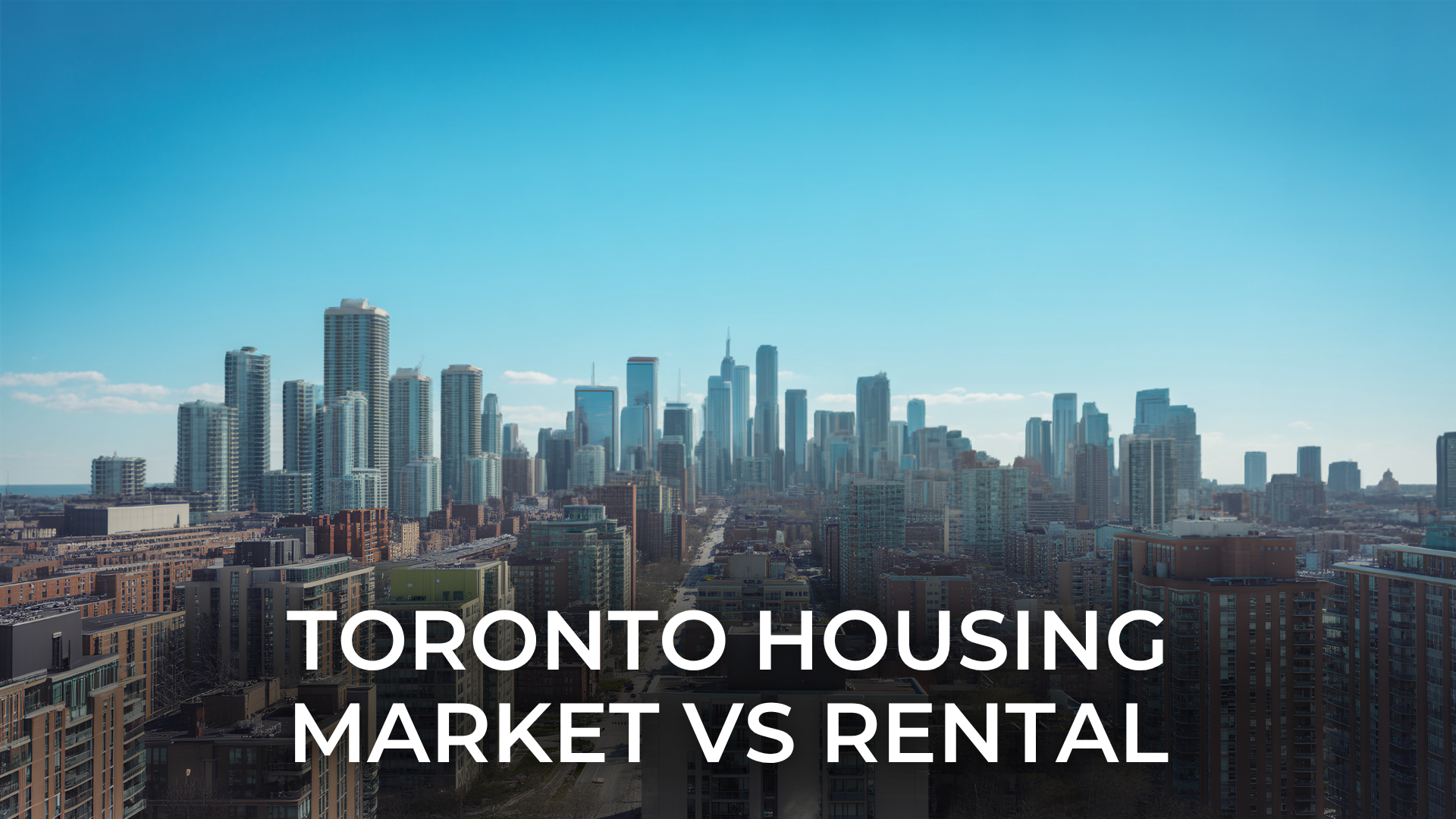
Toronto Housing Market vs Rental Market 2026: Which Is Better?

The Toronto real estate market has always been one of the most closely watched in Canada. In 2026, both the housing market and rental market are undergoing noticeable changes, leaving many buyers, renters, and investors asking one key question: which option makes more sense right now?

Whether you are planning to buy your first home, invest in property, or continue renting, understanding the differences between Toronto’s housing market and rental market is essential. Each path comes with its own advantages, risks, and long-term implications.

Explore current Toronto real estate insights here:
Toronto Real Estate Market Trends
and broader housing data from:
Canada Mortgage and Housing Corporation (CMHC)

Understanding the Toronto Housing Market in 2026

The Toronto housing market in 2026 is more balanced compared to the aggressive growth seen in previous years. Prices have stabilized in many segments, and buyers now have more time to make decisions compared to the intense bidding wars of the past.

However, affordability remains a major challenge. High property prices combined with interest rates continue to make homeownership a significant financial commitment.

Despite these challenges, Toronto real estate remains a long-term asset with strong appreciation potential due to population growth, immigration, and economic stability.

  • Stable long-term property appreciation
  • Increased inventory creating more choices for buyers
  • Less aggressive bidding compared to peak years
  • Continued demand driven by immigration

Understanding the Toronto Rental Market in 2026

The Toronto rental market has seen significant shifts over the past few years. After rapid rent increases, 2026 is showing signs of stabilization. More rental supply is entering the market, and tenants are beginning to regain some negotiating power.

While rents remain high historically, the pace of increase has slowed, creating a more balanced environment for renters.

  • Rental price growth slowing down
  • Increased availability of rental units
  • More flexibility for tenants
  • Strong demand in central locations

This shift is creating new opportunities for both renters and investors.

Cost Comparison: Buying vs Renting

One of the biggest factors influencing this decision is cost. Buying a home in Toronto requires a significant upfront investment, including a down payment, closing costs, and ongoing expenses such as mortgage payments, property taxes, and maintenance.

Renting, on the other hand, requires lower upfront costs and offers flexibility. However, renters do not build equity over time.

  • Buying: High upfront cost, long-term equity growth
  • Renting: Lower initial cost, no ownership benefits

The decision ultimately depends on financial readiness and long-term goals.

Metric Toronto Housing Market (2026) Toronto Rental Market (2026)
Average Price / Rent ~$1,017,796 average home price ~$1,917 average monthly rent
Market Trend Stabilizing after decline (~6–9% YoY) Slowing growth (~3.2% YoY increase)
Demand Level Moderate demand, balanced conditions Strong but softening demand
Supply Increasing inventory (~21,000+ listings) Rising rental listings + condo supply
Vacancy Rate N/A ~3.0% vacancy rate
Rent Trend N/A Declining for new tenants (~-4.3%)
Investment Potential Strong long-term appreciation Short-term income, slower growth
Affordability Challenging due to high prices More accessible but still expensive
Negotiation Power Balanced (buyers gaining leverage) Tenants gaining leverage
Market Outlook Gradual recovery expected Stabilization with future tightening

Sources:
CMHC,
TRREB,
WOWA,
WealthNorth

Investment Perspective

From an investment standpoint, both markets offer opportunities—but they serve different strategies.

Buying property in Toronto allows investors to benefit from appreciation and rental income. However, it requires capital and carries risks associated with market fluctuations.

The rental market, while not offering ownership, allows individuals to maintain liquidity and flexibility, which can be beneficial in uncertain economic conditions.

  • Real estate ownership builds long-term wealth
  • Rental flexibility allows financial mobility
  • Market timing plays a crucial role in investment success

Lifestyle Considerations

Beyond financial factors, lifestyle plays a major role in deciding whether to buy or rent.

Homeownership provides stability, control over your living space, and a sense of long-term security. Renting offers flexibility, making it easier to relocate for career opportunities or lifestyle changes.

  • Buying offers stability and personalization
  • Renting offers flexibility and lower commitment
  • Location preferences can influence the decision

Understanding your lifestyle priorities is just as important as evaluating financial factors.

Market Trends Shaping the Decision

Several key trends are influencing both the housing and rental markets in Toronto:

  • Interest rates impacting affordability
  • Increased supply of new condo developments
  • Population growth driving housing demand
  • Shift toward suburban and hybrid living

These trends are expected to continue shaping the market in the coming years.

Which Option Is Better in 2026?

There is no one-size-fits-all answer to this question. The right choice depends on your financial situation, lifestyle, and long-term goals.

Buying is generally better for individuals who:

  • Have stable income and savings
  • Plan to stay long-term
  • Want to build equity

Renting may be better for those who:

  • Value flexibility
  • Are not ready for a large financial commitment
  • Want to wait for better market conditions

Both options have their place—it’s about choosing what aligns with your current situation.

Final Thoughts

The Toronto housing market and rental market in 2026 are both evolving. While buying offers long-term financial benefits, renting provides flexibility and lower upfront costs.

The key is to make a decision based on your personal goals rather than market noise. With the right strategy and guidance, both paths can lead to successful outcomes.

Frequently Asked Questions

1. Is it cheaper to rent or buy in Toronto in 2026?

Renting is generally cheaper in the short term due to lower upfront costs, but buying can be more beneficial in the long term due to equity growth.

2. Are Toronto home prices expected to rise?

While short-term fluctuations may occur, long-term growth is expected due to strong demand and population growth.

3. Is renting a good option in 2026?

Yes, renting is a good option for those seeking flexibility and lower financial commitment.

4. Should first-time buyers wait or buy now?

This depends on financial readiness. Buyers with stable income and savings may benefit from entering the market early.

5. What is the biggest advantage of buying a home?

The biggest advantage is building equity and long-term wealth.

Disclaimer

This blog is for informational purposes only and should not be considered financial or real estate advice. Market conditions may change, and individuals should consult qualified professionals before making decisions.

Citations

Canada Mortgage and Housing Corporation (CMHC)
https://www.cmhc-schl.gc.ca

Top Agent in Brampton: How the Right Realtor Can Maximize Your Property’s Value

Brampton’s real estate market is dynamic, offering diverse opportunities for homebuyers and sellers alike. From vibrant family-friendly neighborhoods to bustling commercial hubs, this city has something for everyone. However, navigating this competitive landscape requires more than just good intentions; it demands the expertise of a seasoned professional. This is where the importance of finding the Top Agent in Brampton or truly, the Top Realtor in Brampton becomes paramount.

This blog aims to be your comprehensive guide, not just in understanding the Brampton real estate scene, but also in identifying the qualities that make a real estate agent truly stand out. We’ll explore why partnering with the Top Realtor in Brampton or one of the Top Realtors in Brampton is crucial for a successful transaction, whether you’re buying your dream home or selling your property for top dollar.

Brampton: A City of Opportunity and Growth

Brampton, often called “The Flower City,” is renowned for its green spaces, diverse communities, and excellent amenities. It’s a city that blends urban convenience with suburban charm, making it a highly desirable location for families, professionals, and investors.

The real estate market in Brampton has seen steady activity. In June 2025, 476 homes were sold at an average price of $954,523, with 1,767 new listings entering the market. Detached homes led sales with 275 transactions. This indicates a competitive market where informed decisions and strategic planning are key.

From the established communities around Downtown Brampton to newer developments in areas like Heart Lake and Mount Pleasant, the city offers a wide range of housing options, including single-family homes, townhouses, and condos. This variety, coupled with excellent schools, numerous parks, and accessible transportation, solidifies Brampton’s appeal as a top destination for homebuyers.

Why You Need the Best in the Business: Understanding the Role of a Top Real Estate Agent

In a market as active as Brampton’s, the difference between a good experience and a great one often comes down to the real estate agent you choose. The Top Real Estate Agents in Brampton are more than just facilitators; they are strategic partners, trusted advisors, and skilled negotiators.

Their role encompasses a wide array of responsibilities, including:

  • Market Analysis and Pricing: Accurately assessing property values and advising on competitive pricing strategies.
  • Marketing and Exposure: Employing innovative techniques to showcase properties and attract potential buyers.
  • Client Communication: Keeping clients informed, addressing concerns, and providing guidance throughout the process.
  • Negotiation and Closing: Skillfully negotiating on behalf of clients to secure the best possible terms and ensuring a smooth closing.
  • Problem-Solving: Proactively addressing challenges that may arise during a transaction.
  • Networking: Connecting clients with other essential professionals like lenders, lawyers, and inspectors.

What Defines the Top Agent in Brampton?

Identifying the Top Agent in Brampton isn’t about a single metric; it’s about a combination of essential qualities that consistently deliver exceptional results and client satisfaction. Here’s what sets them apart:

  • Deep Local Market Knowledge: The Top Agent in Brampton possesses an unparalleled understanding of Brampton’s diverse neighborhoods, current market trends, pricing nuances, and future development plans. They know which areas are appreciating, what amenities are appealing to buyers in specific locales, and the intricacies of zoning regulations.
  • Proven Track Record: A history of successful transactions, reflected in strong sales-to-list price ratios and consistently positive client testimonials, is a hallmark of a Top Agent in Brampton. This demonstrates their ability to achieve favorable outcomes for their clients.
  • Exceptional Communication Skills: The Top Realtor in Brampton excels at clear, prompt, and transparent communication, keeping clients informed every step of the way.
  • Superior Negotiation Prowess: Securing the best deal, whether buying or selling, requires sharp negotiation skills. A Top Realtor in Brampton is a master negotiator, able to advocate fiercely for their clients’ interests.
  • Unwavering Honesty and Integrity: Trust is the foundation of any successful client-agent relationship. The Top Agent in Brampton operates with the highest ethical standards, prioritizing their clients’ best interests.
  • Proactive Problem-Solving: A top agent anticipates potential roadblocks and possesses the ingenuity and resourcefulness to overcome them, minimizing client stress.
  • Client-Centric Approach: The Top Agent in Brampton is driven by client satisfaction, taking a compassionate and empathetic approach to make the process smooth and stress-free.
  • Strong Professional Network: A well-connected agent offers invaluable resources, connecting clients with reputable mortgage brokers, lawyers, and inspectors.
  • Adaptability and Tech-Savviness: A top agent embraces new technologies and market shifts, utilizing virtual tours, online marketing, and data analytics to their clients’ advantage.

Also read: What Makes the No. 1 Agent in Brampton

Navigating the Brampton Market: Tips for Buyers and Sellers

With the right Top Real Estate Agents in Brampton by your side, you’ll be well-equipped to navigate the market effectively.

For Buyers:

  • Get Pre-Approved for a Mortgage: This crucial first step gives you a significant advantage in a competitive market, allowing you to act quickly.
  • Define Your Priorities: Clearly articulate your needs and wants in a home to help your agent narrow down listings efficiently.
  • Be Prepared to Act Quickly: Desirable properties in Brampton can sell fast. Your agent will keep you informed of new listings and help you be ready to make an offer swiftly.
  • Utilize First-Time Home Buyer Programs: Your Top Realtor in Brampton can guide you through various government-backed incentives, easing the financial burden.

For Sellers:

  • Price Your Home Competitively: Your Top Realtor in Brampton will conduct a thorough market analysis to recommend an optimal listing price.
  • Stage Your Home Effectively: Presentation is key. Your agent can advise on staging strategies to maximize your home’s appeal.
  • Leverage Strong Marketing Strategies: The Top Agent in Brampton will employ a multi-faceted marketing approach to ensure your property reaches a wide audience.
  • Be Flexible and Responsive: Be prepared for showings and open houses, and be open to feedback and adjustments as advised by your agent.

FAQs: Your Questions Answered by the Experts

Here are some frequently asked questions about real estate in Brampton, answered concisely to provide you with valuable insights:

Q1: What are the key factors to consider when choosing a real estate agent in Brampton?

Look for an agent with deep local market knowledge, a proven track record of successful sales, and excellent communication skills. Integrity, strong negotiation abilities, and a client-focused approach are also crucial. Check their professional network and ensure they are responsive to your needs.

Q2: How does a top real estate agent in Brampton help with market analysis and pricing strategies?

A top agent conducts a Comparative Market Analysis (CMA) by evaluating recent comparable sales in your area. For sellers, they determine optimal listing prices; for buyers, they ensure fair offers. They factor in market trends to position your property strategically, aiming for the best possible outcome.

Q3: What makes a realtor the Top Agent in Brampton for first-time homebuyers?

The top agent for first-time homebuyers is a patient educator who simplifies the complex process. They thoroughly explain finances, offers, and legalities. They also guide clients through available first-time buyer incentives like the FHSA, HBP, and Land Transfer Tax rebates, and connect them with trusted professionals.

Q4: What qualities define the Top Agent in Brampton?

The Top Agent in Brampton combines unparalleled local expertise, sharp negotiation skills, and a consistent track record of success. They demonstrate transparent communication, unwavering integrity, and proactive problem-solving. A client-centric approach and a strong professional network solidify their top status.

Q5: How do top realtors in Brampton assist with negotiations and closing deals?

Top realtors act as strategic negotiators, analyzing offers (for sellers) or crafting competitive bids (for buyers). They manage contingencies, coordinate with lawyers and inspectors, and ensure all conditions are met on time. Their goal is a smooth closing, minimizing stress and maximizing favorable terms for their clients.

Discover the Charm of Peace Town, Fort Erie: A Gateway to Nature, History, and Modern Living

Nestled in the heart of Fort Erie, Peace Town offers more than just beautifully designed homes; it provides a lifestyle enriched by the natural beauty and historical significance of the Niagara region. This community is strategically located to give residents easy access to some of Southern Ontario’s most cherished attractions.

Crystal Beach: A Summer Haven

Just a short drive from Peace Town, Crystal Beach is renowned for its pristine white sands and clear waters of Lake Erie. It’s an ideal spot for swimming, beach volleyball, paddleboarding, and family picnics. The recently developed Bay Beach Park enhances the experience with modern amenities like updated washrooms, playgrounds, and shaded areas perfect for families.

Old Fort Erie: A Historical Landmark

Located minutes from Peace Town, Old Fort Erie stands as a testament to Canada’s rich history. Managed by the Niagara Parks Commission, this site offers guided tours, reenactments, and educational programs that bring the War of 1812 to life. It’s a must-visit for history enthusiasts and families alike.

Friendship Trail: Nature’s Pathway

The Friendship Trail is a scenic 24-kilometer multi-use trail connecting Fort Erie to Port Colborne. Perfect for biking, jogging, and walking, the trail is lined with lush woodlands and offers access points to Lake Erie’s beautiful beaches. It’s a favorite among outdoor enthusiasts and those seeking a tranquil escape.

Niagara River Parkway: A Scenic Drive

A short drive from Peace Town, the Niagara River Parkway stretches from Fort Erie to Niagara-on-the-Lake. This scenic route is ideal for Sunday drives, bike rides, and visiting waterfront parks like Queen’s Royal Park and Kingsbridge Park. The parkway offers panoramic views of the Niagara River, making every journey a picturesque experience.Wikipedia

The Peace Bridge: Gateway to the U.S.

Fort Erie’s Peace Bridge connects Canada to Buffalo, New York, facilitating both commercial and recreational cross-border travel. For residents and investors, this proximity adds immense value, offering easy access to U.S. shopping, dining, and employment opportunities.

Safari Niagara: Family Fun

Located just 15 minutes away in Stevensville, Safari Niagara is a 150-acre nature park home to over 1,000 animals. The park features splash pads, a ropes course, and live concerts during the summer, making it a family favorite and a highlight of local tourism.

Fort Erie Race Track: A Historic Venue

This historic racecourse offers live thoroughbred horse racing, an open-air market, and seasonal events. As one of the oldest tracks in North America, the Fort Erie Race Track remains a lively hub during race season, attracting visitors and locals alike.

Waverly Beach Park: A Peaceful Retreat

For those seeking a quieter alternative to Crystal Beach, Waverly Beach Park offers shaded walking paths, picnic tables, a playground, and a relaxed atmosphere. It’s an ideal spot for families and retirees looking for serene lakeside leisure.

Niagara Falls: World-Famous Wonder

Only 15 minutes from Fort Erie, the iconic Niagara Falls and its attractions—such as Clifton Hill, Niagara Parks Botanical Gardens, and the Skylon Tower—are within easy reach. Perfect for day trips, evening dinners with a view, or hosting out-of-town guests, the falls add to the allure of living in Peace Town.


Local Dining Highlights

  • The Barrel Restaurant (Fort Erie): Famous for its wood-fired pizza and family-style Italian cuisine.

  • Green Acres Family Restaurant: A longstanding favorite serving hearty breakfasts and comfort food throughout the day.

  • Southsides Patio Bar & Grill: A casual venue offering pub fare and live music on weekends.

  • Bains Road Cider Company (Stevensville): A modern cidery providing a farm-to-glass experience with a cozy tasting room.


Education and Schools Near Peace Town

Peace Town’s family-friendly environment is further enhanced by its proximity to reputable schools, ensuring quality education without long commutes:

  • St. Joseph Catholic Elementary School: Operated by the Niagara Catholic District School Board, offering a nurturing environment and vibrant extracurricular programs.

  • Greater Fort Erie Secondary School (GFESS): A modern public high school with innovative academic programming, strong arts and athletics, and advanced technological facilities.

  • Garrison Road Public School: Known for its community engagement and small class sizes within the DSBN system.

  • Faith Christian School: An independent private Christian school providing personalized education with a faith-based curriculum.


Peace Town: A Community Designed for Real Life

Every aspect of Peace Town has been thoughtfully developed to support modern living in a natural setting. The community features:

  • Fully sodded lots with finished driveways and concrete walkways.

  • High-efficiency heating systems, smart thermostats, and roughed-in central vacuum.

  • 9-foot ceilings on the main floor and open-concept layouts.

  • Warranties that provide peace of mind for years to come.

Peace Town isn’t just a generic subdivision; it’s a curated residential environment where design, function, and location align. Situated close to some of Southern Ontario’s most scenic and vibrant destinations, yet tucked into a community that offers calm, safety, and stability.

Final Thoughts

Fort Erie is on the rise, and Peace Town is at the forefront of this transformation. Its thoughtful design, premium finishes, and unmatched location create a compelling value proposition—whether you’re buying your first home, relocating from the city, or investing in a promising market.

Peace Town isn’t just a new place to live; it’s a new standard for living well.

Book your private tour today or contact our sales office for availability and pricing.

Peace Town is more than a property; it’s where your future begins.


FAQs

Q1: What types of homes are available in Peace Town?
Peace Town offers a limited collection of beautiful 2-storey townhomes built for luxurious family living.Condo Royalty+2peacetowns.ca+2The Realty Bulls+2

Q2: Are there any parks or recreational areas nearby?
Yes, Peace Town is close to several parks and recreational areas, including Crystal Beach, Waverly Beach Park, and the Friendship Trail.

Q3: What educational institutions are in the vicinity?
Nearby schools include St. Joseph Catholic Elementary School, Greater Fort Erie Secondary School, Garrison Road Public School, and Faith Christian School.

Q4: How far is Peace Town from Niagara Falls?
Peace Town is approximately a 15-minute drive from Niagara Falls, making it convenient for day trips and entertainment.

Q5: Is cross-border travel accessible from Peace Town?
Yes, the Peace Bridge connecting Fort Erie to Buffalo, New York, is nearby, facilitating easy cross-border travel.

Q6: What amenities are included in the homes?
Homes in Peace Town feature high-efficiency heating systems, smart thermostats, 9-foot ceilings on the main floor, and open-concept layouts.

The Ultimate Guide to Starting a Successful Hotel Business

Starting a hotel business can be a lucrative and rewarding venture if done correctly. With the rise of tourism and business travel, the hospitality industry continues to thrive. However, to succeed, you must focus on meticulous planning, market research, and delivering exceptional guest experiences.

1. Conduct Market Research and Feasibility Study

Before investing in a hotel business, it is crucial to conduct in-depth market research. Identifying your target audience is the first step, as understanding whether your ideal customers are business travelers, vacationers, or budget travelers can shape your services. Choosing a prime location with high demand for accommodations is equally essential, as proximity to attractions, transport, and safety influence success.

Competitor analysis plays a significant role in setting your hotel apart. Studying nearby hotels to understand their pricing, services, and unique selling points gives you a competitive edge. Keeping up with industry trends such as eco-friendly hotels, smart hotel technology, and personalized services will help you stay relevant. A feasibility study further ensures that your hotel concept is financially viable in your chosen location.

2. Develop a Solid Business Plan

A well-structured business plan is a must-have. It should cover an executive summary that highlights your business goals and strategies. Your business model must clearly define whether you want a boutique hotel, luxury resort, budget accommodation, or franchise. Daily operations, staffing, and customer service protocols should be outlined in the operational plan.

The financial plan is crucial in outlining startup costs, revenue projections, and funding sources. A well-thought-out marketing strategy should also be included, detailing how you plan to attract and retain guests through promotions and branding efforts.

3. Secure Funding for Your Hotel Business

Starting a hotel requires significant capital investment, and securing funds from multiple sources can ease the financial burden. Bank loans provide structured repayment plans, while private investors or venture capital firms can provide substantial funding. Some regions also offer government grants for tourism-related businesses. If you have sufficient personal savings, self-funding is another viable option that can help avoid debt. Consulting with a financial advisor ensures you choose the best funding option for your hotel.

4. Choose the Right Location

The success of your hotel largely depends on its location. Being near attractions like tourist spots, business districts, or transportation hubs can significantly boost your business. Accessibility to roads, airports, and public transport makes it easier for guests to reach your hotel. Additionally, the safety and security of the area play a major role in guest confidence and satisfaction. Analyzing market demand and competition in the region ensures you make an informed decision before finalizing your location.

5. Design and Construct Your Hotel

Your hotel’s design plays a crucial role in attracting and retaining guests. Aesthetic appeal matters, and choosing a theme that aligns with your target market—whether modern, vintage, or eco-friendly—can create a unique identity. Spacious and comfortable room layouts, along with keyless entry, mobile check-ins, and other smart hotel solutions, enhance the guest experience. Sustainability is a growing trend, and using eco-friendly materials and energy-efficient solutions can attract environmentally conscious travelers.

6. Obtain Necessary Licenses and Permits

Operating a hotel requires various licenses and permits, including business registration with the appropriate authorities. You will need a hotel license to legally operate a lodging establishment, along with health and safety permits to ensure compliance with hygiene and fire safety regulations. If your hotel has a bar or restaurant, obtaining a liquor license is mandatory. Employment permits may also be required for hiring staff in certain regions.

7. Hire and Train Staff

Your staff plays a crucial role in guest satisfaction, and hiring the right people for key positions ensures smooth operations. Hotel managers oversee the daily workflow, while front desk staff handle check-ins, bookings, and guest inquiries. Housekeeping teams maintain cleanliness and hygiene, ensuring a pleasant stay for guests. If your hotel includes a restaurant or cafe, experienced chefs and waitstaff are essential. A dedicated marketing and sales team helps promote your hotel and manage customer relationships. Proper training is vital to ensure your staff delivers excellent customer service and maintains high hospitality standards.

8. Implement an Effective Marketing Strategy

Marketing is essential to attract guests and build brand recognition. SEO optimization helps your website rank higher in search results through keyword-rich content. Social media marketing on platforms like Instagram and Facebook enhances visibility. Partnering with online travel agencies such as Booking.com, Expedia, and Airbnb increases your booking potential. Email marketing allows you to send personalized offers and newsletters, while influencer collaborations with travel bloggers help reach a broader audience.

9. Focus on Guest Experience and Reviews

Providing exceptional customer service leads to positive reviews and repeat business. Offering personalized services based on guest preferences ensures a memorable stay. Launching loyalty programs that reward returning customers encourages repeat visits. Addressing complaints and concerns promptly shows commitment to guest satisfaction. Encouraging satisfied guests to leave positive reviews on platforms like TripAdvisor and Google helps build credibility and attract more customers.

10. Continuously Improve and Expand

The hospitality industry is ever-evolving, so continuous improvement is necessary. Expanding services by adding spa treatments, guided tours, or conference rooms can attract a wider range of guests. Renovating and upgrading hotel decor and amenities enhances the overall guest experience. Analyzing guest feedback and booking data helps refine services and meet customer expectations. If your business is thriving, exploring franchising or opening additional locations could be the next step.

FAQs

1. How much does it cost to start a hotel business?

The cost varies depending on location, size, and type of hotel. On average, small boutique hotels may cost $500,000 to $2 million, while luxury resorts can require tens of millions of dollars.

2. How long does it take to start a hotel?

It can take anywhere from 1 to 3 years, depending on construction time, licensing processes, and funding acquisition.

3. What are the most profitable types of hotels?

Luxury hotels, business hotels, and boutique accommodations in high-demand areas tend to be the most profitable.

4. How can I attract more guests to my hotel?

Invest in digital marketing, offer competitive pricing, focus on excellent customer service, and partner with travel agencies and online booking platforms.

5. Is owning a hotel a good investment?

Yes, if managed well, a hotel can be a profitable long-term investment. However, success depends on location, market demand, and service quality.

Starting a hotel business requires dedication, strategic planning, and excellent customer service. By following these steps and staying updated on industry trends, you can build a successful and sustainable hotel business.

Top Realtor in Brampton for Your Real Estate Needs

When it comes to buying or selling property, finding the right real estate professional is crucial to ensure a smooth, stress-free process. If you’re looking for the top realtor in Brampton or the best realtor in Brampton, you’ve come to the right place. Brampton’s real estate market is dynamic and competitive, and having a knowledgeable expert by your side can make all the difference. Here’s what you need to know when searching for the perfect realtor to help you navigate the real estate landscape in this thriving city.

Why Brampton’s Real Estate Market is Unique

Brampton, often referred to as the “Flower City,” is a vibrant and diverse city located in the Greater Toronto Area (GTA). Its booming economy, family-friendly neighborhoods, and excellent infrastructure make it one of Canada’s most desirable places to live. As a result, the real estate market here is both competitive and fast-paced.

A top realtor in Brampton will have an in-depth understanding of the city’s unique neighborhoods, market trends, and pricing dynamics. From upscale properties in Castlemore to affordable starter homes in Bramalea, a skilled real estate professional will guide you to the perfect property based on your preferences and budget.

Traits of the Best Realtor in Brampton

Not all realtors are created equal. Here are the key qualities that distinguish the best realtor in Brampton from the rest:

  1. Local Expertise: A top-performing realtor knows Brampton inside and out. They understand the nuances of each neighborhood and can recommend properties that align with your lifestyle needs.
  2. Strong Negotiation Skills: Whether you’re buying or selling, negotiation plays a critical role in securing the best deal. 
  3. Proven Track Record: Look for a realtor with a history of satisfied clients and successful transactions in Brampton. Testimonials and reviews can provide valuable insights into their capabilities.
  4. Market Insight: The best realtors stay up-to-date on market trends, helping you make informed decisions about when to buy or sell.
  5. Exceptional Communication: Real estate transactions involve numerous steps and parties. Clear, consistent communication is essential to ensure everything runs smoothly.

How to Find the Top Realtor in Brampton

Finding the top realtor in Brampton doesn’t have to be overwhelming. 

1. Do Your Research

Start by reading online reviews and checking out the websites of local realtors. Look for awards, credentials, and client testimonials that highlight their expertise in the Brampton market.

2. Ask for Referrals

Word of mouth is a powerful tool. Ask friends, family, or colleagues who have recently bought or sold property in Brampton for recommendations. Chances are, they’ll point you toward the best realtor in Brampton they’ve worked with.

3. Interview Multiple Realtors

Don’t settle for the first realtor you find. Interview several candidates to assess their knowledge, experience, and compatibility with your needs.

4. Check Their Marketing Strategies

If you’re selling a home, inquire about their marketing approach. The top realtor in Brampton will use a combination of professional photography, virtual tours, social media, and online listings to attract buyers.

5. Look for Personalized Service

The best realtors take the time to understand your goals and priorities. Avoid professionals who offer cookie-cutter solutions or prioritize volume over quality.

Benefits of Working with the Best Realtor in Brampton

Teaming up with a skilled real estate agent offers numerous advantages:

  • Stress-Free Transactions: A top realtor handles all the details, from paperwork to negotiations, so you can focus on other priorities.
  • Better Deals: With insider knowledge of the market, your realtor can help you buy at the right price or sell for maximum value.
  • Access to Off-Market Listings: The best realtors often have access to exclusive properties not listed on public platforms, giving you a competitive edge.
  • Time Savings: Searching for properties or buyers on your own can be time-consuming. A skilled realtor streamlines the process, saving you time and effort.

Final Thoughts

Finding the top realtor in Brampton or the best realtor in Brampton is essential for a successful real estate journey. Whether you’re buying your dream home, selling an existing property, or investing in Brampton’s thriving market, a knowledgeable and experienced realtor can make all the difference. Take the time to research, ask questions, and choose a professional who aligns with your goals. With the right realtor by your side, you’ll be well-equipped to navigate Brampton’s dynamic real estate landscape and achieve your objectives with confidence.

Ready to take the next step? Contact one of Brampton’s top realtors today and embark on your real estate journey with a trusted expert by your side!

Housing Market Predictions For 2025, When Can We Expect Home Prices to Drop in Ontario?

When Will Home Prices Drop? | Ontario Real Estate Insights

A lot of Ontario homebuyers are interested in knowing what the property market will be like in 2025. After a period of volatility driven by factors like rising interest rates, inflation, and supply chain issues, it’s natural to wonder: When will home prices drop, and what can we expect in the coming years?

In this blog, we will explore the potential trends for Ontario’s housing market in 2025, focusing on when and how home prices might stabilize or decrease. We will also take a close look at the current real estate landscape, including key market statistics, which will help you make informed decisions about your homebuying journey.

Current Housing Market Overview in Ontario

Before diving into Housing Market Predictions For 2025, let’s review the most recent housing market statistics in Ontario. These numbers offer a snapshot of the market’s performance over the last quarter, providing context for our 2025 outlook.

Quarter Number of Homes Sold Average Price of Homes Listing Count
Q3 2024 45,200 $840,000 80,000
Q2 2024 47,000 $855,000 82,500
Q1 2024 49,000 $860,000 85,000

Note: Data reflects the latest available statistics from the Ontario Real Estate Association (OREA).

Will Home Prices Drop in 2025?

Housing Market Predictions For 2025 the future of the housing market can be tricky, but several key factors will influence price trends over the next few years. As of now, experts are cautiously optimistic about 2025, with a few potential scenarios:

  1. Stabilization After Recent Increases Many analysts predict that the sharp price increases we’ve seen in recent years could slow down, but it’s unlikely that there will be a drastic drop in prices. Home prices may plateau or experience modest decreases in certain segments of the market, particularly as interest rates stabilize. This could provide an opportunity for potential buyers to enter the market without facing the extreme price hikes of the past.
  2. Increased Housing Supply One of the main drivers of price increases over the past several years has been the lack of available housing. However, Ontario’s provincial government has made efforts to ramp up housing construction, aiming to add more affordable homes to the market. If supply outpaces demand, this could have a downward pressure on prices, particularly in suburban areas where new builds are more common.
  3. Interest Rates Stabilizing Interest rates are a major factor in determining affordability for homebuyers. The Bank of Canada has raised rates in an effort to combat inflation, but many experts believe rates will stabilize or even decrease slightly in the coming years. If rates start to drop, it will ease the burden on buyers, allowing them to afford higher-priced homes without compromising their monthly payments. Lower borrowing costs could help prop up the market, even if home prices don’t experience a sharp drop.
  4. Migration Patterns and Population Growth Ontario continues to experience strong population growth, driven by both international migration and inter-provincial moves. Cities like Toronto, Ottawa, and Hamilton remain attractive for newcomers due to their employment opportunities and cultural amenities. As long as this trend continues, the demand for homes, particularly in urban centers, will remain strong, making it less likely that home prices will experience significant drops.
  5. Government Interventions Governments at both the provincial and federal levels have implemented several policies designed to make housing more affordable, including down payment assistance programs, tax credits, and other buyer incentives. Continued efforts to make housing more accessible, such as the development of affordable housing projects, could lead to a more balanced market and price stabilization.

What Does This Mean for Homebuyers?

For first-time homebuyers, the outlook for 2025 is generally positive. While it’s difficult to predict exactly when prices will drop, there are several reasons to feel optimistic about the future:

  • More Housing Options: With an increase in construction and new builds, buyers may have more options available to them. 
  • Potential for Price Stabilization: While prices may not plummet, a moderation in price growth could mean more stability for buyers who have been waiting for a more predictable market.
  • Government Support: Ongoing government programs designed to help first-time buyers could provide additional support, whether through down payment assistance or lower closing costs.
  • Better Affordability: If interest rates begin to drop or stabilize, you may find that monthly mortgage payments become more manageable, giving you more flexibility to purchase a home within your budget.

Key Takeaways for Homebuyers in Ontario, Housing Market Predictions For 2025

As we look toward 2025, here are the most important takeaways for homebuyers in Ontario:

  • Home prices may stabilize, with modest decreases in some areas, especially if supply increases and interest rates level off.
  • The long-term outlook for Ontario’s housing market remains strong due to continued population growth and urbanization, which will continue to drive demand for homes.
  • First-time buyers will likely see more opportunities, particularly as new housing inventory comes onto the market and government initiatives offer additional financial support.

While the prospect of a market downturn can be enticing for many, it’s essential to focus on the larger picture. The Ontario housing market is diverse, and opportunities exist in both urban and suburban regions. For first-time buyers, understanding current trends and aligning them with your personal financial situation is key to making the best decision for your future.

There are many possibilities for Ontario’s investors in 2025. While significant price drops might not be on the horizon, there are plenty of reasons to remain hopeful. Whether you are a first-time homebuyer or someone looking to upgrade, now may be an excellent time to plan your next steps with a clear understanding of market conditions.

By keeping an eye on interest rates, supply and demand, and government programs, you can navigate the housing market with confidence and make the home purchase that’s right for you.

How a Lower Rental Market Impacts the Real Estate Market: Focus on Condo for Rent in Toronto

The real estate landscape in Toronto has been experiencing significant shifts over the past few years, with the rental market seeing notable changes. Particularly, the “condo for rent Toronto” segment has faced both growth and decline due to various economic and social factors. Understanding the impact of a lower rental market on real estate, especially in a city as dynamic as Toronto, is essential for renters, investors, and property developers alike. This article delves into how these changes shape the overall market and what they mean for those looking to rent, invest, or sell.

The Current State of the Rental Market in Toronto Toronto’s rental market, known for its competitive nature and high demand, has shown signs of softening. Factors such as changing work habits due to remote work, economic uncertainties, and shifting population demographics have played a role in reducing the demand for condos for rent in Toronto. With more people opting to move to suburban or rural areas, the urban rental market has felt the strain.

Data from recent real estate reports highlight a slight drop in rental prices and an increase in vacancy rates for condos. For potential tenants, this has been good news, presenting more choices and better deals. However, for landlords and property investors, these shifts have brought challenges, affecting their rental income and long-term investment plans.

Key Factors Contributing to the Lower Rental Market

  1. Work-From-Home Trend: The shift to remote work has significantly impacted urban rental markets. Many professionals who were once tied to living near their workplaces in downtown Toronto are now moving to more affordable areas, reducing the demand for condos for rent in Toronto.
  2. Economic Uncertainty: Financial factors, including inflation and fluctuating interest rates, have made some renters cautious. This caution translates into fewer leases being signed and a preference for alternative living arrangements.
  3. Rising Homeownership: Lower mortgage rates in recent years have encouraged more people to buy homes instead of renting. The allure of long-term investment and building equity has driven some renters to shift from leasing condos in Toronto to purchasing homes outside the city.

Impact on Condo Owners and Real Estate Investors For those who own condos for rent in Toronto, a lower rental market can mean tighter profit margins. Investors who once relied on steady rental income may find it harder to fill their units without offering incentives or lowering rent prices. The days of competitive bidding for prime rental units have seen a shift, making way for more tenant-friendly conditions.

Strategies for Property Owners to Adapt

  1. Offer Competitive Pricing: To attract tenants in a softer market, condo owners should consider adjusting their rental prices. Market research to compare prices with similar units can help determine a competitive rate that still yields returns.
  2. Enhance the Appeal of Rental Units: Property owners should focus on making their units more appealing through renovations or adding amenities that attract renters. Features like upgraded kitchens, smart home technology, and energy-efficient appliances can make a significant difference.
  3. Flexible Lease Terms: Providing flexible lease terms, such as month-to-month or short-term leases, can cater to renters who are not ready to commit to long-term contracts. This flexibility can make a condo for rent in Toronto stand out in a competitive market.

Opportunities for Renters The current rental landscape presents opportunities for prospective tenants. With more condos available and landlords eager to fill vacancies, renters can negotiate better deals, secure lower rents, or even ask for added amenities like free parking or included utilities. Those who have been eyeing prime locations in downtown Toronto may find this the perfect time to secure a deal on a condo for rent in Toronto.

Impact on Real Estate Development A lower rental market can lead to shifts in how real estate development companies plan and execute new projects. For instance, developers might reconsider building new high-rise condo buildings if vacancy rates continue to rise and rental prices remain stagnant or fall. Instead, they may focus on mixed-use properties that combine residential units with commercial spaces to diversify their revenue streams.

Moreover, some developers are adapting by creating more affordable rental units or considering converting planned rental spaces into units for sale. The flexibility in project planning helps mitigate potential financial risks during periods of rental market downturns.

Long-Term Market Projections Experts suggest that while the current lower rental market may persist for a while, it is unlikely to be a permanent situation. Toronto’s appeal as a hub for business, culture, and education continues to attract people from across the globe. As borders remain open and the economy stabilizes, the demand for rental properties, particularly condos for rent in Toronto, is expected to recover.

However, long-term projections hinge on several variables:

  • Population Growth: Toronto’s population is predicted to grow steadily, which will eventually reignite demand for rental properties.
  • Economic Recovery: As economic conditions improve, more people will likely return to urban areas for work and lifestyle benefits.
  • Hybrid Work Models: If more companies adopt hybrid work models that require employees to be in the office part-time, the demand for city condos will likely increase again.

For property owners, it calls for strategic thinking to stay profitable. For renters, it presents an opportunity to explore options that were previously out of reach. The future of condos for rent in Toronto will depend on economic trends, population shifts, and evolving work habits. As the city navigates these changes, staying informed and adaptable will be crucial for everyone involved in the real estate market.

Whether you’re looking to rent, invest, or simply stay updated, understanding the current and future trends in the “condo for rent Toronto” market will help you make better real estate decisions.

Why You Should Consider Selling Your Home During the Holidays

When it comes to selling a home, many people wait for the traditionally busy spring or summer markets. However, the holiday season can be an unexpectedly advantageous time to list your property. While it may seem counterintuitive, selling during this time can offer unique opportunities that might not be as readily available at other times of the year. Here’s why putting your home on the market during the holidays could be a smart move.

1. Motivated Buyers Mean Serious Offers

Unlike the casual shoppers of the peak months, holiday buyers often have pressing reasons for moving, such as job relocations, end-of-year tax benefits, or changes in family dynamics. This urgency can lead to quicker offers and smoother negotiations.

Additionally, many buyers want to close before the new year, which can translate into a faster sales process. If you’re looking for a swift transaction, listing your home during the holiday season can be a strategic advantage.

2. Less Competition Among Sellers

While most sellers wait until spring or summer, listing your home during the holidays means there is less competition in the market. Fewer homes available for sale can work in your favor, as buyers have fewer options and are more likely to consider your property seriously. This limited inventory can help your home stand out, making it easier to attract attention from motivated buyers.

Lower competition also often leads to better offers. In a less crowded market, buyers may feel they need to make competitive bids to secure a home they’re interested in, which can result in offers closer to your asking price or even above it.

3. Festive Décor Adds Appeal

The holidays are a time when homes are decorated with warmth and charm, creating a welcoming and cozy atmosphere that can appeal to buyers on an emotional level. Well-placed holiday decorations can make your home feel inviting and highlight its best features. Twinkling lights, a festive wreath, or tasteful table settings can create a vision of what it would be like for buyers to celebrate their own holidays in the space.

However, it’s essential to keep holiday décor subtle and neutral. Avoid over-the-top decorations that could distract from the home’s actual features or make spaces feel smaller. 

4. Financial Motivations for Buyers

The end of the year often brings financial incentives for buyers. Some people are eager to make purchases before December 31st to take advantage of tax deductions related to mortgage interest or property taxes. Additionally, buyers may receive annual bonuses or are looking to invest their savings in a home purchase before year-end financial deadlines.

This can mean that buyers are more willing to make decisions quickly and may even be prepared to make more competitive offers to secure a deal before the holidays are over. This sense of urgency can be a major plus for sellers who want a fast transaction with favorable terms.

5. A Unique Opportunity to Market Your Home

The holidays give you a chance to market your home in a way that isn’t possible at other times of the year. The seasonal atmosphere allows you to show how your home handles different scenarios, such as hosting family gatherings, cozy nights by the fireplace, or entertaining guests in a decorated dining space.

Staging your home to emphasize these possibilities can help potential buyers imagine themselves living in the space and making their own holiday memories. This emotional connection is a powerful motivator when it comes to making offers.

6. More Attention from Real Estate Professionals

During the peak months, real estate agents and related professionals like photographers, home inspectors, and stagers are often swamped with listings. In contrast, the holiday season typically brings a slower pace. This means that you may receive more focused attention from your agent and have easier access to professionals to help market your home effectively.

Your real estate agent can dedicate more time to marketing strategies, personalized showings, and open houses, ensuring that your property gets the attention it deserves.

7. Online Real Estate Searches Increase During the Holidays

Even during the holidays, prospective buyers continue to search online for their future homes. In fact, online activity often spikes during holiday downtime, as people have more time off work and spend time browsing listings. Ensuring your property has an appealing online presence is crucial to capturing this audience.

With high-quality images, detailed descriptions, and virtual tours, your listing can reach potential buyers during the holiday season when they have more free time to devote to their searches. A well-marketed home that catches the eye during this period can attract more interest than during busier times when people have less time to browse.

8. Neighborhood Appeal During the Holidays

The holiday season is a time when neighborhoods often look their best, adorned with festive lights, decorations, and community events. This added charm can enhance the attractiveness of your home’s location and make the entire area feel more inviting to potential buyers. Buyers can better envision themselves as part of a vibrant community, which can be a significant selling point.

If your neighborhood has a strong sense of holiday spirit, leverage this to your advantage by making your home feel like part of the celebration. Highlight nearby holiday markets, local events, or festive attractions in your listing to emphasize the appeal of the area during this special time.

9. Easier Scheduling for Showings

Holiday schedules, while busy, can sometimes offer more flexibility than the typical workweek. Buyers and sellers alike may have more days off or time available for showings and open houses. This flexibility can make it easier to schedule visits, leading to a higher chance of securing showings that convert into offers.

Real estate agents often report that holiday buyers are less likely to schedule showings for homes they’re only half-interested in. This means that the showings you schedule are more likely to be for serious buyers who are ready to make a decision.

Final Thoughts: Seizing the Opportunity

While selling your home during the holiday season may seem unconventional, it comes with a range of benefits that can make it a profitable and efficient time to list. From motivated buyers and reduced competition to the emotional appeal of a holiday setting, this time of year offers unique advantages.

At Team Arora, we understand the importance of timing in real estate. If you’re considering selling your home during the holidays, we’re here to guide you through the process, ensuring that your listing makes the most of these seasonal opportunities. Contact us today for expert advice tailored to your needs, and take advantage of the hidden potential of the holiday real estate market.

Mississauga Location

268 Derry Rd W Unit 101, Mississauga, ON L5W 0H6