Someone’s Loss, Your Gain: Why Smart Buyers Act Fast in Today’s Canadian Real Estate Market

A $300,000 Opportunity

Imagine this: a home once valued at $1 million is now on the market for $700,000. That’s a $300,000 drop in price—money the seller has already lost in equity. For buyers, this isn’t just a bargain; it’s a rare chance to step into homeownership at a discount that may not return for years.

Across Canada, shifting market conditions are creating opportunities that didn’t exist a few years ago. Rising interest rates, economic uncertainty, and motivated sellers mean that buyers—especially first-timers—can find properties well below peak market value. The best part? In Canada, professional real estate advice is free for buyers.

If you’ve been hesitating, now is the time to act. Below, we’ll explain how to understand the market, take advantage of these unique opportunities, and make an informed decision before prices start climbing again.

1. Understanding the Market Shift

The Canadian real estate market moves in cycles, and we are currently in a transition period. Over the past decade, prices rose sharply, especially during the pandemic when historically low interest rates and limited housing inventory created a seller’s market. But as the Bank of Canada raised rates to control inflation, demand cooled and the market began to rebalance.

This adjustment is healthy. It means buyers now have more negotiating power and more time to make decisions. Homes that once received multiple offers above asking price may now sit on the market for weeks or months, giving buyers the chance to negotiate on price and terms. Rather than a crash, what we’re seeing is a normalization—a return to a market where well-prepared buyers can benefit.

2. The Equity Loss: What It Really Means

Equity is the difference between what a home is worth and what the seller still owes on their mortgage. When a seller accepts $700,000 for a home once valued at $1 million, they lose $300,000 in equity. For the seller, this might feel painful, but for the buyer it represents immediate built-in savings.

Why would a seller agree to this? Often it’s due to life changes—job relocation, divorce, financial strain, or simply the need to move quickly. Some sellers purchased at the market’s peak and are now motivated to sell before values drop further. Understanding that these situations create genuine bargains can give you confidence that you’re not underpaying; you’re simply paying today’s fair market price.

3. Why This Is a Golden Moment for First-Time Buyers

For first-time buyers, a buyer’s market is an opportunity that doesn’t come around often. With fewer competing offers, you can negotiate more aggressively for price reductions, home inspections, and even closing cost credits. Sellers are far more open to accommodating your requests when they have fewer interested parties.

The long-term benefits are also significant. Real estate is a proven wealth-building tool. Purchasing at a lower price means you begin building equity immediately, and as the market recovers—which it historically does—you can enjoy appreciation on a property you bought at a discount. While interest rates may be higher today than during the pandemic, you can refinance later when rates fall. You can’t, however, go back and buy at yesterday’s prices.

4. Free Professional Advice: A Game-Changer for Buyers

One of the biggest myths about buying a home is that working with a real estate professional will cost you extra money. In Canada, that’s simply not true. Buyer representation is typically free because the seller pays the real estate commission for both their agent and the buyer’s agent.

This gives you a huge advantage. A knowledgeable agent can provide market analysis, guide you through negotiations, and handle the complex paperwork—all without any direct cost to you. In fact, it’s smart to speak with at least three licensed real estate professionals before deciding who to work with. Each agent offers different insights and local expertise, and comparing their advice gives you a clearer understanding of market conditions.

5. Steps to Make an Informed Purchase

If you’re ready to explore today’s opportunities, follow these steps to buy with confidence:

  1. Research Neighbourhoods Thoroughly: Look for areas with strong schools, access to public transportation, and signs of future development. These factors support long-term property value.
  2. Get Mortgage Pre-Approval: Meet with a lender to understand your budget and lock in an interest rate. Pre-approval shows sellers that you’re serious, which can strengthen your negotiating position.
  3. Interview Multiple Agents: Talk to several real estate professionals and choose one with proven experience in your target area.
  4. Visit Multiple Properties: Don’t rely on online photos alone. Touring homes helps you understand true market value and spot potential issues early.
  5. Negotiate Confidently: In a balanced or buyer’s market, you can ask for price reductions, repairs, or flexible closing dates. A skilled agent will help you navigate these negotiations effectively.

6. Why Waiting Could Cost You

Some buyers hesitate, hoping prices will fall even further. While it’s natural to want the best deal, real estate markets rarely move in a straight line. If interest rates drop or inventory shrinks, buyer demand will rise again, pushing prices upward.

What’s a $700,000 property today could easily climb back to $800,000 or more within a year. By waiting too long, you risk paying more for the same home—or missing out entirely if competition returns. Acting now allows you to take advantage of today’s softer prices and refinance later if interest rates decrease.

7. Real Stories: When Hesitation Hurt

Consider a young couple in Ontario who spent months watching a $650,000 townhouse. They hoped prices would dip further and delayed making an offer. By the time they decided to act, interest rates had eased slightly and more buyers returned to the market. Multiple offers drove the sale price to $710,000—well above their initial opportunity.

This example shows how trying to time the market perfectly can backfire. Acting when conditions are in your favour—even if they aren’t “perfect”—can save you tens of thousands of dollars and help you start building equity sooner.

8. Key Takeaways

    • A seller’s equity loss can be your financial gain if you buy strategically.
    • Free professional advice helps you navigate the process without extra cost.
    • The market is cyclical, and today’s buyer-friendly conditions may not last.

    The smartest step you can take is to talk to multiple licensed real estate professionals today. They’ll help you evaluate properties, secure financing, and negotiate the best deal—without costing you a dime.

    Frequently Asked Questions

    1. Is it really a good time to buy if interest rates are high?

    Yes. While higher interest rates can mean larger monthly payments, they also help cool the market and reduce competition. Lower demand gives you more negotiating power and access to properties at discounted prices. Remember, you can refinance later if rates decrease, but you can’t travel back in time to buy at today’s prices.

    2. How is real estate advice free for buyers in Canada?

    In most provinces, the seller pays the commission that covers both the listing agent and the buyer’s agent. This means you can work with a licensed real estate professional who represents your interests, negotiates on your behalf, and guides you through legal paperwork—all without paying them directly. It’s one of the safest, most cost-effective ways to buy a home.

    3. What if home prices drop even further after I buy?

    Real estate should be viewed as a long-term investment. Even if prices dip slightly after your purchase, history shows that property values generally rise over time, especially in growing communities. By focusing on a home that fits your lifestyle and budget, you’ll gain equity as the market recovers, turning short-term fluctuations into long-term gains.

    4. Should I talk to more than one real estate agent?

    Absolutely. Every agent brings different strengths, local knowledge, and negotiation strategies. By interviewing at least three agents, you can compare their experience, track records, and communication styles. This ensures you select a professional who truly understands your needs and can secure the best deal in your preferred area.

    5. What’s the first step if I’m ready to buy?

    Begin by getting pre-approved for a mortgage. Pre-approval provides a clear understanding of what you can afford and locks in an interest rate for a set period. With a pre-approval letter in hand, you can confidently make offers, demonstrate serious intent to sellers, and move quickly when you find the right property.

    Don’t Let This Moment Slip Away

    A million-dollar home selling for $700,000 is more than just a good deal—it’s a rare, time-sensitive opportunity. Someone else’s loss doesn’t need to be your hesitation.

    If you’re a first-time buyer in Canada, remember: professional real estate advice costs you nothing. Talk to licensed agents, explore the market, and make an informed decision while prices remain favourable. The market won’t stay like this forever. Start today and turn someone else’s loss into your long-term gain.

    Citation

        • Canadian Real Estate Association (CREA): www.crea.ca – Information on buyer and seller representation.
        • Canada Mortgage and Housing Corporation (CMHC): www.cmhc-schl.gc.ca – Insights on market trends and mortgage advice.
        • Bank of Canada: www.bankofcanada.ca – Current interest rate announcements and economic outlook.

    Disclaimer

    This article is intended for informational purposes only and does not constitute financial or legal advice. Real estate markets vary by region, and individual circumstances differ. Always consult with licensed real estate professionals, mortgage advisors, and legal experts before making any property investment decisions.

Rent-to-Own Homes: A Smarter Way to Buy

Why Rent-to-Own is Gaining Popularity

Buying a home has always been a big dream for many people, but in today’s market, it feels harder than ever. With home prices at record highs, strict mortgage rules, and rising interest rates, first-time buyers often feel stuck renting. The problem is, renting doesn’t bring you any closer to owning your own home.

That’s where rent-to-own homes come in. This growing housing option allows renters to move into their dream home now, while gradually working toward ownership in the future. It’s a middle ground between renting and buying that benefits both buyers and sellers. Instead of rent being “money gone,” part of it actually goes toward building your future.

In this blog, we’ll explore how rent-to-own works, why it’s becoming more popular, the benefits for both sides, pitfalls to watch for, and frequently asked questions to help you decide if this could be the smarter way to buy.


What is a Rent-to-Own Home?

A rent-to-own home is a hybrid agreement that combines renting with the option to buy later. In simple terms, you sign a lease that allows you to live in the property as a tenant, but with the ability to purchase it after a set period—usually between one and three years.

What makes this different from traditional renting is that a portion of your monthly payment goes toward your future down payment. So instead of just paying rent, you’re slowly building up savings for when you’re ready to buy.

Key Features of Rent-to-Own Agreements

  1. Option Fee:
    Buyers pay an upfront fee, often 2–5% of the purchase price, which secures their right to buy later.

  2. Monthly Rent + Premium:
    Rent is slightly higher than the market rate. The extra portion is credited toward your down payment.

  3. Locked Purchase Price:
    The purchase price is agreed upon at the start of the contract, which protects buyers from rising home prices.

  4. Lease Period:
    The rental term typically lasts 1–3 years, giving renters time to prepare financially before purchasing.


Why Rent-to-Own is a Smarter Way to Buy

1. Move In Right Away

With rent-to-own, you don’t have to wait until you save a large down payment. You move into the home immediately, enjoy it, and start turning it into your own while preparing for full ownership.

2. Turn Rent into Savings

In a regular rental, every dollar goes to the landlord. With rent-to-own, part of your rent builds equity for your down payment. It’s like a savings plan built right into your monthly rent.

3. Time to Improve Credit

If your credit score isn’t high enough for a mortgage today, the rental period gives you time to rebuild credit while still securing the home you want.

4. Price Protection

Real estate values often climb. Rent-to-own locks in the price at the beginning of your contract, which means you could pay less than the market value by the time you’re ready to purchase.

5. Try Before You Buy

Living in the home lets you “test-drive” it. You’ll know whether the neighborhood, schools, commute, and layout really work for you before committing fully.


Why Sellers Like Rent-to-Own

This isn’t just good for buyers—it’s also a smart move for sellers who want to make their property more attractive.

  • More Buyer Interest: Rent-to-own attracts renters who want to become homeowners but aren’t ready yet.

  • Steady Income: The seller receives rent each month, often above average rates.

  • Committed Tenants: Rent-to-own renters usually take better care of the home since they intend to buy it.

  • Potential Higher Sale Price: Locking in a price can benefit sellers if the market increases.


Pitfalls to Watch Out For

Rent-to-own has clear advantages, but it’s not without risks. Both buyers and sellers should watch for these:

  • Option Fee is Non-Refundable: If you don’t buy, you lose it.

  • Higher Rent: Monthly payments are usually higher than standard rent.

  • Deadlines Matter: Missing the purchase window could void your rights to buy.

  • Market Risks: If home prices fall, you may overpay.

  • Contract Complexity: These agreements are legally detailed—always consult a lawyer.


Is Rent-to-Own Right for You?

Good for Buyers Who:

  • Need time to save for a down payment.

  • Are improving their credit score.

  • Believe home prices will rise in the coming years.

  • Want to try a home before committing.

Good for Sellers Who:

  • Want consistent rental income while selling.

  • Struggle to attract traditional buyers.

  • Prefer motivated renters who will take care of the property.


Real-Life Example

Imagine a house listed at $400,000.

  • The buyer pays an option fee of $12,000 (3%).

  • Monthly rent is $2,200, with $400 credited each month toward a down payment.

  • After three years, the buyer has saved $14,400 in rent credits.

  • Added to the option fee, that’s $26,400 toward the purchase price.

That’s a huge step forward compared to just renting and saving nothing.


Frequently Asked Questions (FAQs)

1. What happens if I don’t buy the home at the end?
If you decide not to purchase, you’ll lose your option fee and any rent credits built up. However, you aren’t forced to buy. It’s important to only enter an agreement you feel confident about.

2. Do I need perfect credit for rent-to-own?
No, perfect credit isn’t required. Rent-to-own is designed to give buyers time to improve their credit before getting a mortgage. As long as you can make consistent rent payments, you may still qualify for this option.

3. Is rent-to-own more expensive than normal renting?
Yes, usually. Rent-to-own payments are slightly higher because part of the rent goes toward your down payment. While it costs more monthly, it helps you save for ownership, unlike traditional rent which builds no equity.

4. Can the seller change the price later?
No. The purchase price is agreed upon and locked at the beginning of your contract. This protects buyers from sudden price increases in the housing market and gives certainty about the future cost of the home.

5. Should I hire a lawyer before signing?
Yes, absolutely. Rent-to-own contracts are more complex than regular leases, and a lawyer ensures you understand every detail. This protects your rights, avoids misunderstandings, and gives you confidence in your investment.

6. What if home prices go down before I buy?
If prices drop, you may end up paying more than the home’s current market value because your purchase price was locked in earlier. That’s a risk to weigh before committing to a rent-to-own deal.


A Smarter Path to Homeownership

Rent-to-own homes are becoming a popular way for renters to step into ownership gradually. Buyers get to live in their dream home, build equity, and prepare financially, while sellers enjoy steady income and motivated tenants.

It’s not perfect, but with good planning and legal guidance, rent-to-own can be the smarter way to buy a home—bridging the gap between renting today and owning tomorrow.

Disclaimer

The information in this article is provided for general educational purposes only and should not be considered financial, legal, or real estate advice. Figures such as option fees, rent premiums, and home prices are examples only and may vary based on location, market conditions, and individual agreements. Readers are encouraged to consult with a qualified real estate professional, financial advisor, or lawyer before entering into any rent-to-own contract.

Your Edge in Brampton’s Real Estate Market with the Best Agent in Brampton

Brampton’s real estate market is dynamic, offering diverse opportunities for homebuyers and sellers alike. From vibrant family-friendly neighborhoods to bustling commercial hubs, this city has something for everyone. However, navigating this competitive landscape requires more than just good intentions; it demands the expertise of a seasoned professional. This is where the importance of finding the Best Agent in Brampton, or truly, the Top Realtor in Brampton becomes paramount.

This blog aims to be your comprehensive guide, not just in understanding the Brampton real estate scene, but also in identifying the qualities that make a real estate agent truly stand out. We’ll explore why partnering with the Best Realtor in Brampton or one of the Top Realtors in Brampton is crucial for a successful transaction, whether you’re buying your dream home or selling your property for top dollar.

Brampton: A City of Opportunity and Growth

Brampton, often called “The Flower City,” is renowned for its green spaces, diverse communities, and excellent amenities. It’s a city that blends urban convenience with suburban charm, making it a highly desirable location for families, professionals, and investors.

The real estate market in Brampton has seen steady activity. In April 2025, new listings increased to 1,646, with 730 homes sold at an average price of $1,028,115. Detached homes remained the most popular property type, with 338 sales in April. This indicates a balanced and competitive market, where informed decisions and strategic planning are key.

From the established communities around Downtown Brampton to newer developments in areas like Heart Lake and Mount Pleasant, the city offers a wide range of housing options, including single-family homes, townhouses, and condos. This variety, coupled with excellent schools, numerous parks, and accessible transportation, solidifies Brampton’s appeal as a top destination for homebuyers.

Why You Need the Best in the Business: Understanding the Role of a Top Real Estate Agent

In a market as active as Brampton’s, the difference between a good experience and a great one often comes down to the real estate agent you choose. The Top Real Estate Agents in Brampton are more than just facilitators; they are strategic partners, trusted advisors, and skilled negotiators.

Their role encompasses a wide array of responsibilities, including:

  • Market Analysis and Pricing: Accurately assessing property values and advising on competitive pricing strategies.
  • Marketing and Exposure: Employing innovative techniques to showcase properties and attract potential buyers.
  • Client Communication: Keeping clients informed, addressing concerns, and providing guidance throughout the process.
  • Negotiation and Closing: Skillfully negotiating on behalf of clients to secure the best possible terms and ensuring a smooth closing.
  • Problem-Solving: Proactively addressing challenges that may arise during a transaction.
  • Networking: Connecting clients with other essential professionals like lenders, lawyers, and inspectors.

What Defines the Best Agent in Brampton?

Identifying the Best Agent in Brampton isn’t about a single metric; it’s about a combination of essential qualities that consistently deliver exceptional results and client satisfaction. Here’s what sets them apart:

  • Deep Local Market Knowledge: The Best Agent in Brampton possesses an unparalleled understanding of Brampton’s diverse neighborhoods, current market trends, pricing nuances, and future development plans. They know which areas are appreciating, what amenities are appealing to buyers in specific locales, and the intricacies of zoning regulations.
  • Proven Track Record: A history of successful transactions, reflected in strong sales-to-list price ratios and consistently positive client testimonials, is a hallmark of a Top Agent in Brampton. This demonstrates their ability to achieve favorable outcomes for their clients.
  • Exceptional Communication Skills: The Best Realtor in Brampton excels at clear, prompt, and transparent communication, keeping clients informed every step of the way.
  • Superior Negotiation Prowess: Securing the best deal, whether buying or selling, requires sharp negotiation skills. A Top Realtor in Brampton is a master negotiator, able to advocate fiercely for their clients’ interests.
  • Unwavering Honesty and Integrity: Trust is the foundation of any successful client-agent relationship. The Best Agent in Brampton operates with the highest ethical standards, prioritizing their clients’ best interests.
  • Proactive Problem-Solving: A top agent anticipates potential roadblocks and possesses the ingenuity and resourcefulness to overcome them, minimizing client stress.
  • Client-Centric Approach: The Best Agent in Brampton is driven by client satisfaction, taking a compassionate and empathetic approach to make the process smooth and stress-free.
  • Strong Professional Network: A well-connected agent offers invaluable resources, connecting clients with reputable mortgage brokers, lawyers, and inspectors.
  • Adaptability and Tech-Savviness: A top agent embraces new technologies and market shifts, utilizing virtual tours, online marketing, and data analytics to their clients’ advantage.

Also read: What Makes the No. 1 Agent in Brampton

Navigating the Brampton Market: Tips for Buyers and Sellers

With the right Top Real Estate Agents in Brampton by your side, you’ll be well-equipped to navigate the market effectively.

For Buyers:

  • Get Pre-Approved for a Mortgage: This crucial first step gives you a significant advantage in a competitive market, allowing you to act quickly.
  • Define Your Priorities: Clearly articulate your needs and wants in a home to help your agent narrow down listings efficiently.
  • Be Prepared to Act Quickly: Desirable properties in Brampton can sell fast. Your agent will keep you informed of new listings and help you be ready to make an offer swiftly.
  • Utilize First-Time Home Buyer Programs: Your Best Realtor in Brampton can guide you through various government-backed incentives, easing the financial burden.

For Sellers:

  • Price Your Home Competitively: Your Top Realtor in Brampton will conduct a thorough market analysis to recommend an optimal listing price.
  • Stage Your Home Effectively: Presentation is key. Your agent can advise on staging strategies to maximize your home’s appeal.
  • Leverage Strong Marketing Strategies: The Best Agent in Brampton will employ a multi-faceted marketing approach to ensure your property reaches a wide audience.
  • Be Flexible and Responsive: Be prepared for showings and open houses, and be open to feedback and adjustments as advised by your agent.

FAQs: Your Questions Answered by the Experts

Here are some frequently asked questions about real estate in Brampton, answered concisely to provide you with valuable insights:

Q1: What are the key factors to consider when choosing a real estate agent in Brampton?

Look for an agent with deep local market knowledge, a proven track record of successful sales, and excellent communication skills. Integrity, strong negotiation abilities, and a client-focused approach are also crucial. Check their professional network and ensure they are responsive to your needs.

Q2: How does a top real estate agent in Brampton help with market analysis and pricing strategies?

A top agent conducts a Comparative Market Analysis (CMA) by evaluating recent comparable sales in your area. For sellers, they determine optimal listing prices; for buyers, they ensure fair offers. They factor in market trends to position your property strategically, aiming for the best possible outcome.

Q3: What makes a realtor the best agent in Brampton for first-time homebuyers?

The best agent for first-time homebuyers is a patient educator who simplifies the complex process. They thoroughly explain finances, offers, and legalities. They also guide clients through available first-time buyer incentives like the FHSA, HBP, and Land Transfer Tax rebates, and connect them with trusted professionals.

Q4: What qualities define the Best Agent in Brampton?

The Best Agent in Brampton combines unparalleled local expertise, sharp negotiation skills, and a consistent track record of success. They demonstrate transparent communication, unwavering integrity, and proactive problem-solving. A client-centric approach and a strong professional network solidify their top status.

Q5: How do top realtors in Brampton assist with negotiations and closing deals?

Top realtors act as strategic negotiators, analyzing offers (for sellers) or crafting competitive bids (for buyers). They manage contingencies, coordinate with lawyers and inspectors, and ensure all conditions are met on time. Their goal is a smooth closing, minimizing stress and maximizing favorable terms for their clients.

Your Partner in Brampton Real Estate

Whether you are looking to buy your first home, upgrade to a larger space, downsize, or make a strategic investment, the path to success in Brampton’s real estate market begins with choosing the right professional. Don’t settle for anything less than the Best Agent in Brampton, a true Top Realtor in Brampton who possesses the knowledge, skills, and dedication to guide you every step of the way.

10 Family-Friendly and Relaxing Things to Do Near Fort Erie in 2025

If you’ve ever dreamed of living in a place that offers the charm of a small town, the proximity to nature, and the conveniences of a connected lifestyle, Fort Erie may already be on your radar. Tucked away along the Niagara River, just a short drive from the Greater Toronto Area, Fort Erie is quickly becoming one of Southern Ontario’s most desirable places to live—especially for families, retirees, and professionals seeking peaceful, meaningful living.

Whether you’re already in the area or just beginning to explore what life in Fort Erie could offer, here’s a full guide to 10 relaxing and family-friendly things to do near Fort Erie this year.

1. Spend the Day at Crystal Beach

Crystal Beach is Fort Erie’s summer sweetheart. With soft sand, turquoise water, and a welcoming boardwalk, it’s the kind of place that makes you want to stay a little longer. Families often spend the entire day here building sandcastles, swimming, or trying out local food vendors like San Vito’s or the Palmwood.

It’s not just for tourists—locals love that this pristine beach is never too far from home.

2. Visit Old Fort Erie and Dive into History

History buffs and curious kids alike will enjoy Old Fort Erie, a site that played a crucial role during the War of 1812. Interactive reenactments, guided tours, and riverside scenery bring Canadian history to life.

Imagine living just minutes away from a national landmark—where your children can learn from the past while building their future.

3. Walk or Cycle the Niagara River Recreation Trail

This 56-km multi-use path runs along the stunning Niagara River and passes through Fort Erie. Whether you’re biking, jogging, or strolling, the path offers scenic views, shaded rest stops, and picnic areas. It’s also dog-friendly and perfect for weekend family outings.

The best part? This kind of nature access doesn’t require a vacation—it’s your backyard.

4. Waverly Beach Park: A Hidden Gem

While Crystal Beach often gets the spotlight, Waverly Beach Park is a quieter retreat with open spaces, shaded walking paths, and breathtaking lakefront views. It also has a children’s splash pad, making it a hit with young families.

For those who value daily moments of calm, Waverly Beach is an everyday luxury.

5. Explore Ridgeway’s Local Culture

Just 10 minutes from central Fort Erie, Ridgeway is a charming village with big personality. Its historic main street is lined with boutiques, cafes, vintage shops, and a bustling farmers market every Saturday.

Locals love brunch at the Kitchen by Matt Dean Pettit or browsing handmade goods at the Ridge Film House artisan market. The village vibe is authentic and community-focused—a perfect weekend getaway or a permanent lifestyle shift.

6. Tour Niagara’s Underrated Wineries

You don’t have to drive all the way to Niagara-on-the-Lake to experience wine country. Fort Erie is increasingly surrounded by boutique vineyards and family-run wineries offering tastings, pairings, and even farm-to-table dinners.

In a post-pandemic world, people are looking for slower, more intentional living—and Fort Erie delivers.

7. Kayak or Fish Along the Niagara River

Fort Erie offers direct access to the Upper Niagara River, a paradise for kayaking, paddleboarding, and fishing. Whether you want to rent equipment or join a local guided tour, this region is perfect for those who thrive in the outdoors.

It’s especially ideal for families wanting to disconnect from screens and reconnect with nature.

8. Discover Local Events and Summer Festivals

From the Friendship Festival to Art by the Market, Fort Erie celebrates community all year long. These events are small enough to feel local but large enough to offer food trucks, live music, crafts, and plenty of activities for kids.

Buying a home here means becoming part of something—something real.

9. Day Trip to Niagara Falls (Without the Noise)

One of Fort Erie’s biggest lifestyle perks? You’re just 20–25 minutes from Niagara Falls, one of the world’s most famous attractions—but far enough to enjoy peace and quiet at home.

Take a weekend to explore Clifton Hill, dine with a view of the Falls, or take the kids on the Niagara SkyWheel. Then head back home to the calm of Fort Erie.

10. Catch a Sunset You’ll Never Forget

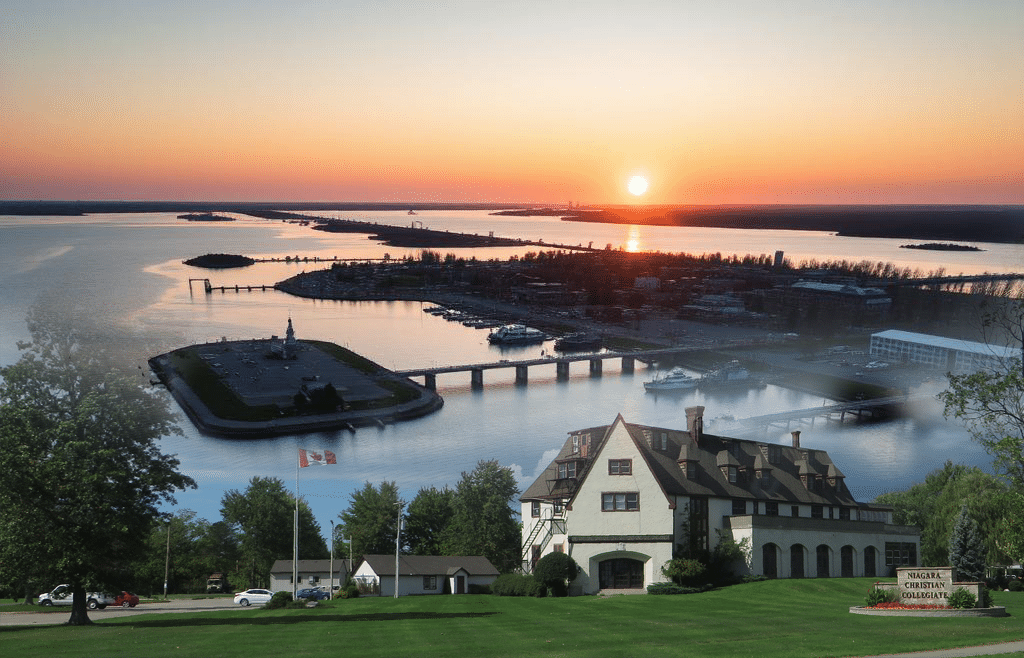
Whether from your porch, the waterfront trail, or a scenic lookout, Fort Erie sunsets are spectacular. This natural beauty—paired with the slower rhythm of the town—has made the area especially popular with young families and GTA transplants looking to escape city pressure.

It’s not just a weekend destination—it’s a lifestyle.


🏡 Why Fort Erie Is on the Radar in 2025

Fort Erie is no longer a secret.

In recent years, a growing number of buyers from Mississauga, Brampton, and even downtown Toronto have turned their attention toward Niagara South. And for good reason:

  • Housing is more affordable than the GTA

  • Highway and border access make commuting or business travel easy

  • Remote work flexibility means you don’t need to sacrifice career for calm

  • The rise of mixed-use communities makes daily life walkable and vibrant

With new infrastructure projects, walkable developments, and interest from young families and investors alike, Fort Erie is poised for responsible growth—without losing its soul.


🧭 The Team Arora Perspective

At Team Arora, we’ve helped hundreds of families transition from fast-paced city life to more peaceful living—without giving up access, opportunity, or community.

If Fort Erie speaks to your vision of home, our local insight and commitment can help guide you, whether you’re searching for a family home, a lakeside retreat, or a long-term investment.

Explore our current listings or contact us for personalized guidance—we’ll help you find not just a property, but a place to thrive.


FAQs About Living Near Fort Erie

1. Is Fort Erie a good place to raise a family?

Absolutely. Fort Erie offers a family-first environment with great schools, safe neighborhoods, and abundant outdoor space. The pace of life is slower compared to larger cities, giving children more room to play and parents a stronger sense of community. Many parks, recreational centers, and youth programs make it easy to stay engaged without the stress of heavy traffic or urban noise.

2. How far is Fort Erie from major cities like Toronto or Mississauga?

Fort Erie is approximately 1 hour 30 minutes from Mississauga and around 1 hour 45 minutes from downtown Toronto, depending on traffic. Its location along the QEW and proximity to the U.S. border via the Peace Bridge also make it ideal for both commuting and weekend getaways.

For remote workers, this means enjoying a quieter lifestyle without sacrificing access to big-city amenities.

3. What kind of real estate is available in Fort Erie?

Fort Erie offers a variety of housing options—from single-family homes and modern townhomes to larger properties near the waterfront. There are also new pre-construction developments that blend residential living with walkable shopping and recreational areas. These communities appeal to both investors and homebuyers looking for long-term value and lifestyle benefits.

4. Is Fort Erie only a summer destination?

While Fort Erie shines in the summer, it’s truly a four-season town. Fall brings vibrant foliage and wine festivals, winter offers ice skating and cozy community events, and spring is filled with farmers markets and riverside walks. Its year-round livability is one reason why more people are choosing it as a permanent home rather than a seasonal retreat.

5. Is real estate in Fort Erie a good investment in 2025?

Yes. With rising prices across the GTA, Fort Erie presents an affordable entry point with strong potential for appreciation. Infrastructure upgrades, new community developments, and increasing interest from out-of-town buyers are driving demand. As more families and professionals look for quieter, more connected living, Fort Erie stands out as both a lifestyle upgrade and a smart investment.

Commercial vs. Residential Real Estate: Understanding the Differences and Investment Opportunities

Embarking on a career or investing in real estate involves understanding two major categories: commercial and residential real estate. Each has its distinct characteristics, advantages, and considerations. This guide clearly outlines the differences between commercial and residential real estate, helping you make informed decisions whether you’re investing, buying, or selling.

What is Residential Real Estate?

Residential real estate refers to properties designed primarily for living purposes. These include single-family homes, townhouses, condominiums, duplexes, and apartments. Residential properties typically serve as either primary residences or rental units.

Benefits of Investing in Residential Real Estate

  1. Lower Entry Costs: Residential properties generally require lower upfront capital compared to commercial properties, making it easier for new investors to enter the market.
  2. High Demand: The demand for residential real estate remains consistently high, driven by population growth and housing needs.
  3. Easier Financing: Obtaining mortgages for residential properties is often simpler, with more accessible lending options and lower interest rates.
  4. Stable Cash Flow: Residential properties offer steady income streams through rent, providing financial stability for investors.
  5. Tax Benefits: Residential investors can take advantage of mortgage interest deductions, depreciation, and other tax-saving strategies.

Considerations for Residential Real Estate

  • Tenant Management: Residential investors frequently deal with tenant management issues, maintenance requests, and vacancy periods.
  • Regulatory Compliance: Landlord-tenant regulations can be strict, requiring investors to be familiar with local laws and property management practices.
  • Market Saturation: In high-demand areas, property prices may be inflated, reducing cash-on-cash returns.

What is Commercial Real Estate?

Commercial real estate includes properties used exclusively for business purposes, such as office buildings, retail spaces, industrial facilities, warehouses, hotels, and multifamily complexes (with five or more units).

Benefits of Investing in Commercial Real Estate

  1. Higher Income Potential: Commercial properties typically generate higher returns due to longer leases, higher rental rates, and diversified income streams.
  2. Professional Tenant Relationships: Tenants are usually businesses, resulting in more professional interactions and fewer emotional or personal conflicts.
  3. Longer Lease Terms: Commercial leases often span multiple years, providing consistent income and reduced vacancy risk.
  4. Property Appreciation: Commercial real estate can appreciate significantly, especially in thriving business areas or during periods of economic growth.
  5. Triple Net Leases: Many commercial leases require tenants to cover maintenance, insurance, and taxes, reducing operational burdens for landlords.

Considerations for Commercial Real Estate

  • Higher Capital Requirements: Commercial real estate generally demands greater upfront investments and operational costs.
  • Complex Financing: Obtaining financing for commercial properties can be more complicated, involving higher interest rates and stricter lending criteria.
  • Economic Sensitivity: Commercial properties are closely tied to economic cycles, and downturns can significantly impact vacancy rates and property values.
  • More Intensive Due Diligence: Investors must conduct thorough analysis of location, tenant history, cap rates, and zoning.

Key Differences Between Commercial and Residential Real Estate

Purpose

  • Residential: Primarily for personal living.
  • Commercial: Used for business and revenue-generating activities.

Financing

  • Residential: Easier to finance with numerous mortgage options.
  • Commercial: More complex, typically requiring specialized commercial loans.

Lease Terms

  • Residential: Shorter leases, often renewed annually.
  • Commercial: Longer lease agreements, usually several years.

Property Management

  • Residential: Often managed directly by owners or smaller property management companies.
  • Commercial: Typically involves professional property management and complex tenant relationships.

Risk and Return

  • Residential: Lower risk, moderate returns.
  • Commercial: Higher risk, potentially higher returns.

Making the Right Investment Choice

Choosing between commercial and residential real estate depends on your financial goals, investment experience, available capital, and risk tolerance.

For New Investors

Residential real estate often represents a safer entry point due to lower capital requirements, straightforward financing options, and stable demand. It’s ideal for those who prefer manageable responsibilities and familiarity with the housing market.

For Experienced Investors

Commercial real estate offers attractive opportunities to diversify portfolios, achieve higher returns, and manage professional tenant relationships. It’s well-suited for investors seeking scalability, portfolio diversification, and long-term financial growth.

Real-Life Example: Comparing Two Scenarios

Scenario A – Residential: Jane buys a duplex in Brampton and rents out both units. She manages the property herself, collects rent monthly, and builds equity. The property generates stable cash flow and appreciates steadily over time.

Scenario B – Commercial: Mark invests in a small retail plaza with three long-term tenants. He hires a property manager, collects triple net rent, and earns higher monthly income. However, his initial investment and risk exposure are significantly higher.

Both scenarios are profitable, but they cater to different investment styles and risk appetites.

Conclusion

Whether considering commercial or residential real estate, understanding the distinct advantages, challenges, and investment potential of each is essential. By carefully evaluating your goals and resources, you can select the type of real estate investment that best aligns with your financial objectives and lifestyle.

Ready to start your real estate journey? Whether commercial or residential, Ontario’s thriving market offers numerous opportunities to grow your investment portfolio successfully.


Sources & Citations:

Not solicit buyer under any contract

First-Time Homebuyers in Canada: You Could Save Up to $50,000!

If you’ve been dreaming of owning your first home in Canada but felt priced out of the market, this might be the golden window you’ve been waiting for.

Canada’s housing crisis has been no secret — skyrocketing prices, demand through the roof, and a shortage of homes have made it harder than ever to break into the market. But here’s the game-changing update: the Government of Canada is stepping in with a bold move that could make homeownership more attainable — especially for first-time buyers.

🚨 GST ELIMINATED for First-Time Homebuyers (On Homes $1M and Under)

Prime Minister Mark Carney just announced that the Goods and Services Tax (GST) will be completely eliminated for first-time homebuyers purchasing homes priced at or below CAD $1 million.

📉 What does that mean for your wallet?
Potential savings of up to $50,000. Yes, you read that right — $50K. That’s money that could go toward your down payment, furniture, renovations, or just helping you breathe easier as a new homeowner.

💡 Why This Matters

Let’s break it down:

  • Lower Upfront Costs: No GST means you pay less on closing day. That’s often the scariest part for new buyers — the big lump sum. This helps soften that blow. 
  • More Money in Your Pocket: It’s not just about buying the home; it’s about affording to live in it. This move gives you more financial breathing room. 
  • A Boost to Housing Supply: Eliminating the GST is also expected to spur new home construction. That’s good news for the entire market — more homes = more options and (hopefully) more stable prices. 

🏗️ Why Now?

Canada is in the middle of a housing crisis. The demand is real — especially among millennials and young families looking to stop renting and start building equity. But supply hasn’t kept up, and prices have surged as a result.

This GST cut is a strategic move — it helps buyers and motivates builders to develop new projects. It’s a win-win for both ends of the market.

📣 What Prime Minister Carney Had to Say:

“Our government is laser-focused on lowering costs for Canadians and making homeownership a reality.”

This isn’t just lip service. The policy sends a clear message: affordable homeownership is a national priority.


🎯 Is This the Right Time for You to Buy?

If you’ve been sitting on the sidelines, unsure whether to make a move, now’s the time to revisit your plan. The cost-saving advantage of this GST removal could be what tips the scale in your favor.

But remember, this applies only to homes priced under $1 million. So if you’re eyeing something in that range, talk to a mortgage advisor or realtor to see what your options are.


🙋‍♂️ Final Thoughts from a Fellow Canadian

As someone who closely follows real estate trends and government policy (and occasionally rants about how unaffordable things have become), I honestly think this move is a step in the right direction. It doesn’t fix everything overnight, but it gives real, immediate help to the people who need it most — first-time buyers trying to build a life and a future.

So, whether you’re seriously hunting for your first home or just casually scrolling MLS listings late at night (we’ve all been there), keep this new policy in mind. It could save you tens of thousands and open doors — literally.

🛠️ Pro Tip:

Start getting your finances in order now. The best opportunities go fast, and with more people jumping in, you want to be ready when the right place comes along.


If this was helpful, share it with someone you know who’s trying to get into the market. And if you’ve got questions or want a breakdown on how much you could save in your specific situation, drop a comment or DM me. Always happy to help fellow dreamers become homeowners. 🙌

source

GST Canada: New GST Cut for First-Time Homebuyers Could Save You Up to $50,000

Canada’s New GST Policy Brings Hope for First-Time Homebuyers

In a bold move to tackle the ongoing housing crisis, Prime Minister Mark Carney announced that the Government of Canada will eliminate the Goods and Services Tax (GST) for first-time homebuyers purchasing homes priced at or below $1 million CAD. This major shift in GST policy could save eligible Canadians up to $50,000, making homeownership more accessible.

This is big news for anyone searching for “GST Canada,” “GST housing policy,” or “first-time homebuyer GST 2025.” If you’re a young Canadian or a family looking to buy your first home, this GST update could mean more money in your pocket and less stress on your savings.

What Is GST in Canada and Why Does It Matter for Housing?

Before diving into the new change, let’s break it down:

GST stands for Goods and Services Tax, a 5% federal tax applied to most goods and services in Canada — including newly constructed or significantly renovated homes. That means, if you bought a newly built home for $800,000, you’d typically pay $40,000 in GST on top of the home price.

But with the new GST exemption for first-time buyers, you could now save that amount, instantly reducing your upfront housing costs.

Why Did the Government Make This Change?

Canada is in a full-blown housing crisis. Prices are too high, supply is too low, and demand keeps growing. Millennials and Gen Z are especially affected, struggling to break into a market that seems out of reach.

To ease this pressure, the government is:

  • Cutting the GST on homes under $1 million for first-time buyers. 
  • Stimulating new home construction by encouraging builders and developers. 
  • Making housing more affordable for young Canadians and families. 

This change isn’t just a tax break – it’s a strategy to unlock housing supply and encourage developers to build more homes faster.

Who Qualifies for the GST Housing Exemption?

This isn’t a free-for-all. The GST exemption is targeted specifically at:

  • First-time homebuyers in Canada 
  • Buying a new home or condo priced at $1 million or less 
  • Permanent residents and Canadian citizens 

If you’re not a first-time buyer, the GST still applies, but there could be other rebates and incentives depending on your province.

How Much Can You Really Save?

Let’s break it down with a simple example:

Home Price Standard GST (5%) You Save Under New Policy
$500,000 $25,000 $25,000
$800,000 $40,000 $40,000
$999,999 $49,999.95 $49,999.95

With this exemption, you’re not paying that 5% — that’s a huge boost to your down payment or moving budget.

Why This Matters for the Canadian Economy

Prime Minister Carney has made it clear: this is about more than just saving money.

“Our government is laser-focused on lowering costs for Canadians and making homeownership a reality,” said Carney.

Source

By cutting the GST:

  • Buyers save money, increasing affordability. 
  • Builders are incentivized to construct new homes. 
  • Housing supply increases, helping to cool the overheated market. 
  • The economy gets a boost, with more construction jobs and housing investments. 

Will This Affect the Real Estate Market?

Yes — and in a big way.

Experts predict this GST cut will:

  • Push new home construction numbers up 
  • Create a more balanced housing market 
  • Help millions of Canadians re-enter the buying conversation 

The Canadian housing market may finally start seeing some balance between supply and demand, especially in major cities like Toronto, Vancouver, and Calgary where prices have skyrocketed.

What Should First-Time Buyers Do Now?

If you’re thinking about buying your first home, this is the perfect time to prepare:

  1. Get pre-approved for a mortgage 
  2. Work with a real estate agent who understands the new GST rules 
  3. Start house hunting with this savings in mind 
  4. Look for newly built homes or condos priced under $1 million 
  5. Stay informed on when the policy takes effect and how to claim the exemption 

FAQs – GST Canada and First-Time Homebuyers

Is this GST cut in effect right now?

The official implementation date is expected soon. Stay updated with announcements from the Canada Revenue Agency (CRA) or Government of Canada.

What if my home is $1.1 million?

Unfortunately, homes priced over $1 million do not qualify for this GST exemption. You’ll still pay the 5% GST.

Does this apply to resale homes?

No. The GST only applies to new or significantly renovated homes, so this policy mainly helps those buying brand-new properties.

Ontario Real Estate in 2025: Trends, Challenges, and Opportunities

The Ontario real estate market has always been a focal point for homebuyers, investors, and industry experts. With its diverse cities, sprawling suburbs, and picturesque rural areas, Ontario offers something for everyone. However, as we step into 2025, the landscape of real estate in the province is evolving rapidly. From economic shifts to advancements in technology, numerous factors are shaping the market. In this blog, we’ll explore the latest trends, challenges, and opportunities in Ontario’s real estate market, providing valuable insights for buyers, sellers, and investors.

Current State, Ontario Real Estate Market

The Ontario real estate market in 2025 remains dynamic, driven by various factors such as population growth, urbanization, and shifting consumer preferences. Major cities like Toronto continue to experience high demand, but affordability challenges are pushing buyers towards mid-sized cities like Hamilton, London, and Kitchener-Waterloo. These cities offer a balance of affordability and amenities, making them attractive options for first-time buyers and families.

Trends Shaping Ontario Real Estate in 2025

1. The Rise of Mid-Sized Cities

As affordability in Toronto becomes increasingly out of reach, mid-sized cities are experiencing a surge in demand. These areas are becoming hotspots for buyers seeking value without compromising on amenities.

2. Technology-Driven Real Estate

Technology is revolutionizing the real estate industry in Ontario. AI-powered tools are helping buyers find properties that match their preferences, while virtual tours and 3D walkthroughs are becoming standard for listings. Realtors are also leveraging data analytics to provide clients with market insights and personalized recommendations.

3. Sustainability in Housing

With climate change being a pressing concern, sustainable housing is gaining traction. Homebuyers are increasingly prioritizing properties with lower carbon footprints and energy savings.

4. Changing Demographics

Ontario’s diverse population is influencing housing demand. Millennials, now the largest group of homebuyers, prefer urban and walkable neighborhoods. Meanwhile, Baby Boomers are downsizing and seeking low-maintenance living in condos or retirement communities.

Challenges in Ontario’s Real Estate Market

1. Rising Interest Rates

Higher interest rates are making mortgages more expensive, reducing buying power for many Ontarians. This is causing some potential buyers to delay purchases or opt for smaller, more affordable homes.

2. Limited Housing Supply

Ontario continues to face a shortage of housing inventory. Governments are working to address this through policies aimed at increasing housing supply, but progress remains slow.

3. Affordability Issues

Affordability remains a significant barrier for first-time buyers. With home prices in major cities far outpacing income growth, many Ontarians are turning to co-ownership models or renting as alternatives.

4. Urban vs. Rural Divide

While urban areas face supply shortages and high prices, rural communities struggle with underutilized properties and slower growth. Bridging this divide will be crucial for Ontario’s long-term real estate stability.

Opportunities for Buyers and Investors

1. Exploring Emerging Markets

Mid-sized cities and rural areas present lucrative opportunities for buyers and investors. Cities like Peterborough and Sudbury are witnessing increased interest due to their affordability and potential for growth.

2. Pre-Construction Investments

Pre-construction condos and townhomes offer a chance to secure properties at today’s prices while benefiting from future appreciation. These investments are especially popular in rapidly growing areas.

3. Rental Properties

With a tight rental market and increasing demand, investing in multi-family properties or single-family homes for rent can yield steady returns. Proximity to universities and major employment hubs makes rental properties particularly attractive.

4. Leveraging Technology

Investors and realtors who embrace technology have a competitive edge. Using AI tools to analyze market trends, identify opportunities, and streamline transactions can enhance decision-making and profitability.

Tips for Navigating the Ontario Real Estate Market

For Buyers:

  • Consider Location: Explore emerging markets and prioritize proximity to amenities and transportation.
  • Be Flexible: Be open to different property types, such as condos or townhomes, to stay within budget.

For Sellers:

  • Stage Your Home: Present your property in its best light to attract more buyers.
  • Set Realistic Prices: Work with a realtor to price your property competitively based on market trends.

For Investors:

  • Research Thoroughly: Analyze market data and trends to identify high-potential areas.
  • Work with Experts: Partner with realtors and property managers to maximize returns.

The Future of Ontario Real Estate

Government initiatives aimed at increasing housing supply and improving affordability will play a crucial role. Meanwhile, technology will continue to drive innovation, making real estate transactions more efficient and transparent.

Buyers, sellers, and investors who stay informed and adapt to these changes will be well-positioned to thrive in Ontario’s evolving real estate landscape. Whether you’re looking for your dream home, planning to sell, or seeking investment opportunities, Ontario remains a land of possibilities.

Additional Tips for 2025 Real Estate Success

1. Stay Updated on Local Policies

Stay informed about tax incentives, zoning changes, and new construction initiatives in your area.

2. Network with Local Experts

Building relationships with realtors, mortgage brokers, and contractors can give you a competitive advantage. Local experts often have insights that aren’t available online.

3. Focus on Long-Term Value

When buying or investing, prioritize properties that offer long-term growth potential. This might include homes in up-and-coming neighborhoods or properties with renovation potential.

4. Embrace Flexibility

The real estate market can be unpredictable. Whether it’s adjusting your budget, exploring new areas, or considering alternative property types, staying flexible can help you seize opportunities.

Final Thoughts

The Ontario real estate market in 2025 is a dynamic and multifaceted environment. By understanding the trends, overcoming challenges, and seizing opportunities, you can make informed decisions and achieve your real estate goals.

Calgary Calling: A City on the Rise

Hold the phone before you just write Calgary off as another Canadian city. This place has become a hotbed for, dare I say it, the leader for something much bigger opportunity. Calgary has something in store for both the aspiring entrepreneur and the shrewd investor. Not just empty boasts, the city bears a very strong economy. The market for real estate is sky-high, and the lifestyle is just hard to compete with. And there is a good reason this city remains on top; let’s peer deeper and see it with our own eyes.

The Engine Room is Roaring 

Calgary’s economy is continuing to roar on like a well-oiled engine without any sign of stopping or pausing to grow and change. This inevitably feeds into the real estate market in the area with a booming value and offers the best investment for real estate. From the powerhouses of energy to those of finance and technology, prosperity is being pushed into every corner of the city. Yes, energy has always been the bread and butter for Calgary; however, now it will be complemented by the quickly emerging tech and financial services industry.

This mix is of the dynamic kind, which does not make the economic ship steady but lures professionals to be skilled, and hence their inflow fuels demand for houses and both commercial spaces.

Finding Your Dream Home (Without Breaking the Bank)

The Calgary housing market is reinventing itself, with value in any type of lifestyle and budget—from the trendy downtown condos to spacious suburban family homes. But perhaps the best of all: You will find what is cheap and not at the expense of the quality of goods. It is evidenced that Calgary seriously takes community development through the evidence of its neighbourhoods being well mapped out, perfectly integrating urban life with nature. All of that is topped up with a great living standard and many cultural offerings, and it’s no wonder Calgary is wooing potential homebuyers looking for a complete lifestyle.

Entrepreneurs, Take Note

Calling all business owners and aspiring entrepreneurs!

Calgary is fertile and firm soil for further development and expansion. Ripe with investment opportunities, the city currently bulges on the map of the commercial real estate market, from prime office spaces in the downtown area to industrial properties at the fringes of the city. Calgary moves beyond just space; it is space that goes a step further to support business actively through start-up incentives, tax breaks, JSON and a ‘we’ve got your back’ attitude. The latest transport infrastructure and telecommunication networks ensure that businesses availed all it required to survive within the tough current global market. Then, wherever you would want to do business that is going to prosper with the economic potential of Alberta, Calgary has it as your strategic launchpad.

Location, Location, Location (and More Location)

It is a very important point of confluence of large national and international trade routes, which in turn translates into fabulous competitive advantages for residents and local companies.

Being just next to the majestic Rockies and having a world-class airport close to an extensive transportation network in Calgary, does true justice to hyper-connectivity.

Effective supply chains for businesses and extended markets should also ensure that the residents enjoy the benefits of an accessible and well-linked city.

Government with a Helping Hand

The Government of Calgary Actively Fosters the Investment Environment in Real Estate. How Do They Do That?

Tax relief: Competitive property tax rates and incentives for eco-friendly buildings.

Grants and subsidies: Now, with the helping hand of residential developers and small businesses looking for strategic places for setting up shops.

Flexible the laws of zones: allow mixed-use development and speed up approval processes for new projects.

These policies are all about attracting investment and ensuring the real estate sector experiences sustainable growth.

Real People, Real Success Stories

Let’s move beyond statistics and see how Calgary is making a difference in real people’s lives:

The East Village has been revitalized from a forsaken part of town to a lively, commercial, and community centre. Smart investment in homes and businesses clearly shows the ROI from revitalized neighbourhoods is huge. A small tech company leveraged Calgary’s business-friendly climate from a local startup to now having an office in that same swanky downtown building. This is Calgary, with a business-friendly vibe from the ground up. The Dream Smiths: The Smith family from Toronto moves to find their perfect home in Calgary. The Calgary dream is what many homebuyers found—a chance at affordable housing and a very high quality of life. Everyday people stories that speak of reaping the hard benefits of investment in Calgary: from reaping the rewards of revitalized districts to flourishing in a new cultural landscape laden with economic opportunities.

Looking to the Future

Calgary’s real estate market shows no signs of slowing down, and here’s why:

Sustainable Development: The sustainable development of eco-friendly buildings is the focus of attention in Calgary.

Rising Tech Hub: Steady demand for commercial real estate is likely to remain supported by continued investment in technology and innovation.

Diversification of the economy: Continued diversification of the Calgary economy is also likely to bring in new industries, therefore, allowing much more investment scope in the different sectors.

The Bottom Line

Calgary isn’t just a city on the rise – it’s a city that’s arrived.

The strong economy, supportive government, and various success stories make Calgary a prime investment area. This city has become more sustainable and innovative, which attracts a different range of investors.

If it’s a new home that you find, or that choice location to base your business, Calgary certainly promises an optimistic future with its growth, diversity, and commitment to quality life.

So, ditch the hype and consider the reality. Calgary is a place where you can truly invest in your future.

Q1: Is now a good time to invest in Calgary’s real estate market? 

A1: Absolutely! Strong economic base, government policies, and tracks of success stories—Calgary offers fertile ground in the real estate sector. Competing with property tax rates, affordable housing options, and growing job markets, the city has a great option for every kind of investor for either residential or commercial purposes. 

Q2: I’m interested in starting a business in Calgary. What kind of support does the city offer? 

A2: Calgary is an entrepreneur’s dream! The city is so pro-business to the point of availing all kinds of incentives to startups—from tax breaks to loose zoning laws. Add very modern infrastructure and an attitude of “we’ve got your back,” and Calgary has to be on the shortlist for any firm looking to grow and expand. 

Q3: I’m moving to Calgary with my family. What kind of neighbourhoods can I expect? A3: In addition, Calgary is home to some of the most well-planned neighbourhoods that fit many different types of lifestyles. Ranging from trendsetting condos in the downtown core to beautiful and spacious suburban homes that are very easily accessible to nature, the city places quality of life and vibrant cultural scenes in community development. 

Q4: Is Calgary an expensive city to live in? 

A4: The cost of living in Calgary generally includes moderate and affordable housing, compared to most other big cities in Canada. Generally, most houses fall below the average cost of living, yet the standard of living is kept high. However, keep in mind that the cost of living will highly depend on one’s way of living and neighbourhood preference.


Mississauga Location

268 Derry Rd W Unit 101, Mississauga, ON L5W 0H6