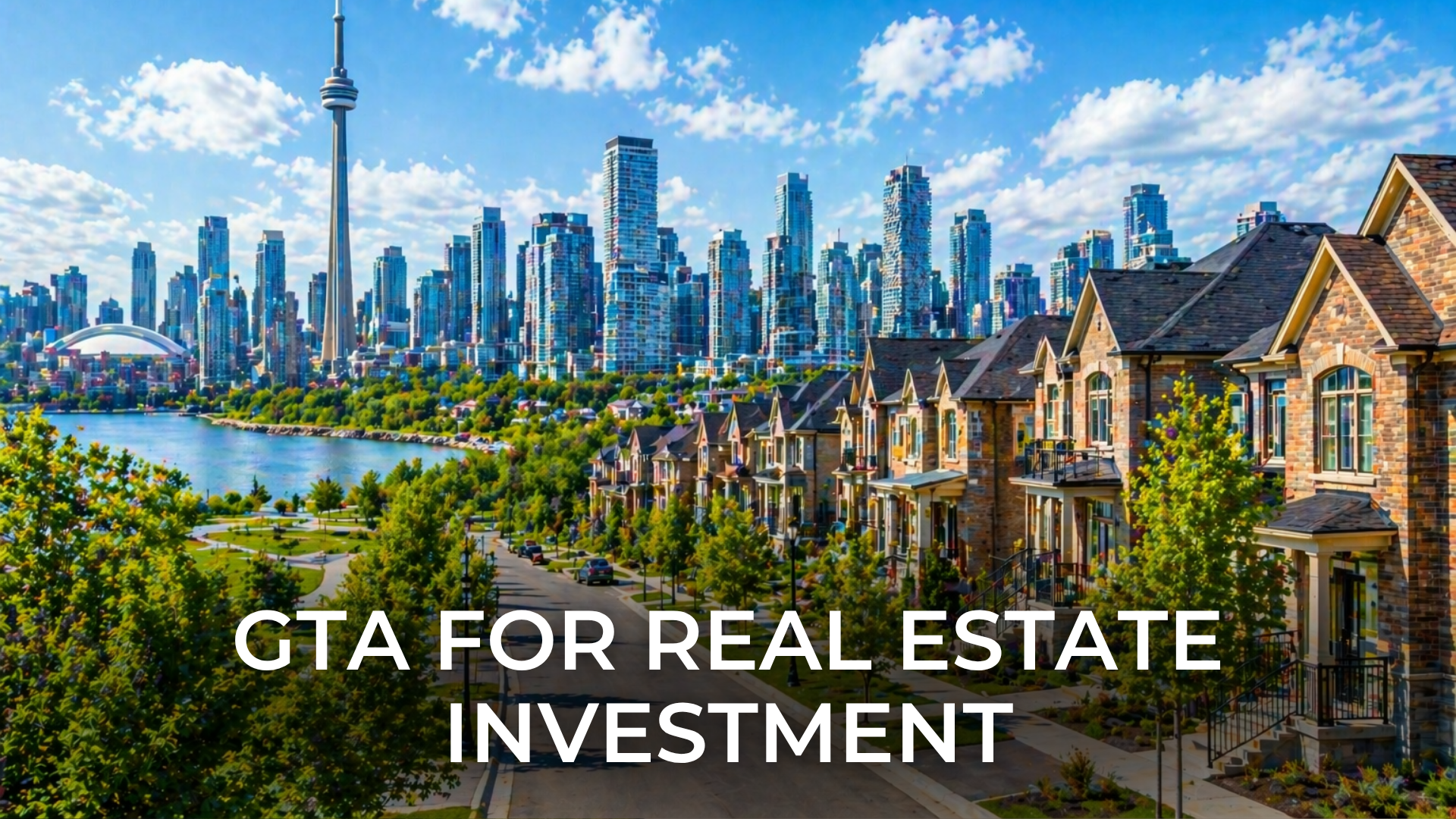
The Greater Toronto Area (GTA) continues to be one of Canada’s most dynamic real estate markets. While established neighbourhoods like Downtown Toronto, Mississauga City Centre, and Brampton’s Castlemore have long been popular, savvy investors are now shifting their focus toward emerging neighbourhoods—areas with strong growth potential, infrastructure development, and increasing demand.
In 2026, the strategy is clear: investing early in the right neighbourhood can significantly impact long-term returns. With rising property prices across Toronto, buyers and investors are looking beyond traditional hotspots and identifying locations that offer both affordability and appreciation potential.
This guide explores some of the top emerging neighbourhoods in the GTA and why they are attracting attention from investors across Ontario.
Why Emerging Neighbourhoods Matter for Investors
Emerging neighbourhoods represent opportunity. These are areas that are in transition—where infrastructure, development, and population growth are creating upward momentum in property values.
Investors who enter early often benefit from lower purchase prices and higher appreciation over time.
- Lower entry prices compared to established areas
- Higher long-term appreciation potential
- Growing demand from buyers and renters
- Infrastructure and transit improvements driving value
Understanding where growth is happening is the key to making smarter investment decisions in the GTA.
1. East Toronto (Scarborough & Danforth Corridor)
East Toronto is experiencing a major transformation. With increased transit investment, including the expansion of subway lines and improved connectivity, neighbourhoods in Scarborough and along the Danforth corridor are becoming increasingly attractive.
These areas offer relatively affordable entry points compared to downtown Toronto while still providing access to urban amenities.
Investors are drawn to:
- Upcoming transit expansions
- Redevelopment projects
- Strong rental demand
For insights into Toronto market trends, visit
Toronto Real Estate Market Insights.
2. Brampton West & Mount Pleasant
Brampton continues to grow rapidly, but certain pockets stand out for investment potential. Mount Pleasant and West Brampton are emerging as key areas due to transit access, new developments, and family-friendly infrastructure.
These neighbourhoods attract both end-users and investors due to affordability compared to Mississauga and Toronto.
- Strong population growth
- GO Transit connectivity
- Increasing demand from first-time buyers
Explore Brampton market trends here:
Brampton Real Estate Trends
3. Mississauga (Hurontario & Cooksville Corridor)
Mississauga remains one of the most desirable cities in the GTA, but emerging areas like Hurontario and Cooksville are gaining traction due to the upcoming LRT (Light Rail Transit) project.
This transit development is expected to significantly increase property values and rental demand.
- LRT infrastructure driving future growth
- High demand for condos and rental units
- Central location with strong connectivity
Learn more about Mississauga here:
Mississauga Real Estate Insights
4. Etobicoke (Mimico & Lakeshore)
Etobicoke’s Mimico and Lakeshore areas are transforming into vibrant waterfront communities. With new condo developments, improved public spaces, and proximity to downtown Toronto, these areas are attracting both investors and young professionals.
What makes Etobicoke attractive is its balance between lifestyle and investment potential.
- Waterfront lifestyle appeal
- Strong rental demand
- Ongoing redevelopment projects
These factors make it one of the most promising investment zones in Toronto’s west end.
5. Vaughan Metropolitan Centre (VMC)
Vaughan has evolved into a major urban hub, with the Vaughan Metropolitan Centre (VMC) leading the transformation. With direct subway access to Toronto and large-scale commercial development, this area is becoming a hotspot for investors.
The presence of corporate offices, retail, and residential developments is creating a self-sustaining ecosystem.
- Subway connectivity to Toronto
- Mixed-use developments
- Strong rental and commercial demand
For city planning insights, visit
City of Toronto Planning Data.
Key Trends Driving GTA Real Estate Investment
Understanding the broader trends is essential when evaluating emerging neighbourhoods.
- Transit expansion across the GTA
- Population growth through immigration
- Shift toward suburban living
- Increasing demand for rental properties
These trends are shaping where future demand will be concentrated.
What Investors Should Look For
Not every emerging neighbourhood will perform the same. Successful investors focus on key indicators before making a decision.
- Upcoming infrastructure projects
- Employment growth in the area
- Rental demand and vacancy rates
- Long-term development plans
Working with an experienced real estate team can help identify these opportunities early.
Final Thoughts
The GTA real estate market continues to evolve, and emerging neighbourhoods are at the center of this transformation.
From East Toronto to Brampton, Mississauga, Etobicoke, and Vaughan, each area offers unique investment opportunities driven by infrastructure, demand, and growth potential.
For investors, the goal is not just to buy property, but to invest in the future of the neighbourhood itself.
With the right strategy and guidance, emerging areas can deliver strong returns and long-term value.
Frequently Asked Questions
1. What is an emerging neighbourhood in real estate?
An emerging neighbourhood is an area experiencing growth due to infrastructure, development, and increasing demand. These areas often offer strong investment potential.
2. Is the GTA a good place for real estate investment?
Yes, the GTA remains one of Canada’s strongest markets due to population growth, economic stability, and long-term demand.
3. Which area in the GTA has the highest growth potential?
Areas with transit expansion and redevelopment projects—such as the Mississauga LRT corridor and the Vaughan Metropolitan Centre—are showing strong potential.
4. Should I invest in condos or houses?
This depends on your strategy. Condos offer lower entry costs and rental demand, while houses provide long-term appreciation and stability.
5. How do I identify the right investment area?
Look for infrastructure projects, population growth, and rental demand. Working with a knowledgeable Realtor can help identify the best opportunities.
Disclaimer
This blog is for informational purposes only and should not be considered financial or real estate advice. Market conditions may change, and individuals should consult qualified professionals before making investment decisions.
Citations
City of Toronto Planning Data
https://www.toronto.ca