What Needs to Be Done to Sell a House Fast in Today’s Market?

Selling a house is never just about putting up a sign and waiting for buyers. Today’s real estate market moves quickly, and buyers are more informed than ever. If you want to sell your home fast—and at a great price—you need a strategy.
This guide answers the most common questions homeowners ask when preparing to sell. By the end, you’ll know exactly what needs to be done to sell your house efficiently and confidently in today’s market.

Why is pricing so important when selling a house?

Pricing your home correctly is the foundation of a successful sale. Too high, and your home might sit on the market for months, eventually forcing you to drop the price. Too low, and you risk leaving money on the table.

Think of buyers in today’s market—they scroll through dozens of listings every day. If your home is overpriced compared to similar properties, they’ll move on. On the other hand, if your home is priced competitively, you may even spark a bidding war that drives the final price up.

That’s why many sellers work with a real estate agent to run a Comparative Market Analysis (CMA). This report compares your home with similar recently sold properties in your neighborhood, giving you a realistic picture of what buyers are willing to pay.

Should I stage my home before selling?

Yes, staging can make a huge difference. A staged home feels brighter, more spacious, and easier for buyers to imagine themselves living in.

Think about it—when you walk into a cluttered, personalized home full of family photos, it’s harder to picture yourself there. But when a home is decluttered, freshly painted in neutral colors, and decorated simply, it feels like a blank canvas ready for new memories.

Staging doesn’t always mean hiring professionals (though that can help). It can be as simple as:

  • Removing excess furniture
  • Painting walls a neutral shade
  • Deep cleaning every corner
  • Adding fresh flowers or new light fixtures

Do professional photos really matter?

Absolutely. In today’s digital-first market, your listing photos are your first showing. Most buyers scroll through Realtor.ca, Zillow, or MLS before they ever step foot in your house.

Professional photos highlight your home’s best features—natural light, spacious rooms, updated kitchens—and make your listing stand out. Drone photography or virtual tours can also appeal to tech-savvy buyers or out-of-town investors.
Remember: bad photos = fewer showings. Great photos = more buyer interest.

When is the best time to sell a house?

Timing can impact your results. Generally:

  • Spring (March–May): The busiest season. Families want to move before summer.
  • Fall (September–November): Strong activity from serious buyers.
  • Summer & Winter: Slower, but motivated buyers are still active—and less competition may work in your favor.

That said, the “best time” depends on your personal circumstances and your local market. If inventory is low in your neighborhood, listing sooner could actually get you a better price than waiting.

Should I work with a real estate agent or sell on my own?

You can sell your home privately, but most sellers choose to work with an agent. Here’s why:

  • Pricing Expertise: Agents know what homes in your area are selling for.
  • Marketing Power: They’ll get your home on MLS, social media, and in front of more buyers.
  • Negotiation Skills: Agents handle bidding wars, conditions, and offers with your best interests in mind.
  • Paperwork Support: Selling a home involves contracts, disclosures, and legal details—an agent makes sure it’s done correctly.

In most cases, the added value an agent brings outweighs the commission cost.

How do I handle offers and negotiations?

This is where many sellers feel nervous. What if you get multiple offers? What if the first offer is too low?

Here’s the good news: with the right strategy, you can navigate negotiations smoothly. Some sellers set an “offer date” to encourage competition, while others accept offers as they come.

When reviewing offers, don’t just look at the price. Consider:

  • Closing date (does it work with your move?)
  • Conditions (financing, inspection, etc.)
  • Deposit amount (shows buyer commitment)

A skilled real estate agent will guide you through this process, making sure you get the best deal overall—not just the biggest number.

What paperwork is involved in selling a house?

Selling a home comes with a mountain of paperwork, and it’s crucial to get it right. Key documents include:

  • The listing agreement with your agent
  • Purchase and sale agreement with the buyer
  • Property disclosures (like known issues or past renovations)
  • Closing documents handled by your lawyer

Most sellers hire a real estate lawyer to review contracts, handle title transfers, and ensure everything is legally sound.

Can small updates increase my home’s value?

Yes. You don’t need to do a full renovation before selling, but small updates can add noticeable value. Examples include:

  • Painting walls in neutral tones
  • Replacing outdated light fixtures
  • Upgrading cabinet handles or faucets
  • Refreshing landscaping for curb appeal

These affordable improvements often create a positive impression that helps buyers justify paying a higher price.

Is it possible to sell a house fast without lowering the price?

Yes—if you prepare and market it correctly. The key ingredients are:

  1. Correct Pricing: Competitive, not inflated.
  2. Great Presentation: Clean, staged, and move-in ready.
  3. Strong Marketing: Professional photos, online listings, and social media campaigns.
  4. Responsive Communication: Be flexible with showings and quick to reply to offers.

When all of these align, homes in today’s market can sell quickly without needing deep discounts.

Frequently Asked Questions

Q1. How long does it usually take to sell a house in today’s market?
On average, a well-priced home sells within 2–4 weeks. In hot neighborhoods, some homes sell within days. The exact timing depends on location, condition, price, and demand.

Q2. Do I need to do a pre-listing home inspection?
It’s optional but recommended. A pre-listing inspection identifies issues before buyers do. Fixing them in advance can prevent last-minute negotiations and give buyers more confidence in your home.

Q3. How much does it cost to sell a house?
Costs typically include agent commissions (around 4–5% of the sale price, split between buyer’s and seller’s agents), legal fees, staging, photography, and small repairs. Your net profit will depend on your home’s sale price minus these expenses.

Q4. Should I accept the first offer I get?
Not always. Sometimes the first offer is the best one, especially if it’s strong and above asking. But in a competitive market, waiting for an offer date or comparing multiple bids can work in your favor. Your agent will help you weigh the risks and benefits.

Q5. What mistakes should I avoid when selling a house?

  • Overpricing your home
  • Skipping professional photography
  • Ignoring curb appeal
  • Being inflexible with showings
  • Accepting the wrong offer without checking the conditions

Q6. Can I sell my house during the winter?
Yes. While winter tends to have fewer buyers, it also has less competition. Serious buyers are still looking year-round, and your home could stand out more when there are fewer listings.

Final Thoughts

So, what needs to be done to sell a house fast in today’s market? It comes down to preparation, pricing, and presentation. A clean, well-staged home with professional marketing and the right price will always attract more buyers.

If you pair that with an experienced real estate agent and a solid strategy, you’ll not only sell quickly but also maximize your profit.

Remember—selling a house is a big step, but it doesn’t have to be stressful. With the right approach, you can move forward with confidence and achieve the results you’re hoping for.


Commercial Real Estate in New Brunswick: A Strategic Investor’s Guide

Commercial real estate in New Brunswick is drawing attention—and for good reason. With lower entry costs, strong cap rates, and emerging development zones, this Atlantic province is becoming a hub for smart investors, entrepreneurs, and developers. Whether you’re a seasoned investor or just starting out, New Brunswick’s commercial market holds untapped potential worth exploring.

In this guide, we break down why this region is a hidden gem, how to approach investment opportunities, and what role a trusted Commercial Real Estate agent in New Brunswick can play in your journey.

Why New Brunswick?

New Brunswick offers a rare blend of affordability and opportunity. Unlike overheated markets in Toronto or Vancouver, the province’s commercial properties provide higher yields and fewer barriers to entry. Its strategic location—bordering Quebec, Nova Scotia, and the U.S.—makes it a key trade and logistics point in Atlantic Canada.

From industrial parks to revitalized downtown cores, cities like Moncton, Fredericton, and Saint John are seeing a rise in commercial activity.

Types of Commercial Real Estate You’ll Find

Investors and developers are tapping into various types of properties:

  • Industrial Warehouses: Rising demand for logistics and distribution.
  • Retail Plazas: Small and mid-sized tenants looking for suburban hubs.
  • Office Space: Especially near government centers and tech corridors.
  • Mixed-Use Developments: Blending retail, office, and residential spaces.

By working with a Commercial Real Estate agent in New Brunswick, you can identify which property types best align with your investment goals.

Top Cities for Investment

Moncton: Known as a transportation and business hub, Moncton offers thriving retail corridors, strong population growth, and a diverse economy.

Saint John: With Canada’s third-largest port, Saint John is perfect for industrial and logistics investments.

Fredericton: Home to government offices and a growing tech scene, this city has consistent demand for office and institutional spaces.

Each of these cities provides different advantages—and a local agent can help you navigate zoning, pricing, and leasing potential.

Market Trends in 2025

  • Industrial Real Estate is outperforming other asset classes due to e-commerce demand.
  • Retail Spaces are shifting toward mixed-use or experiential models.
  • Remote Work is reshaping office demand—creating opportunity in coworking and flexible leases.
  • Sustainability is becoming a priority for tenants and investors alike.

Staying ahead of these trends gives you an edge—and a local expert can help interpret how they apply in New Brunswick.


Also read: Exploring Commercial Real Estate in New Brunswick: Your Guide to Growth & Opportunity

Role of a Commercial Real Estate Agent in New Brunswick

Having the right agent isn’t just helpful—it’s essential. A Commercial Real Estate agent in New Brunswick brings:

  • Insider knowledge of market performance
  • Access to off-market listings
  • Expertise in negotiation and due diligence
  • Guidance through zoning and permits
  • Network connections for legal, financing, and inspection

The right professional can help you avoid costly mistakes and make well-informed decisions.

Government Incentives & Programs

New Brunswick offers support for commercial buyers, such as:

  • Property tax rebates
  • Downtown revitalization grants
  • Regional development fund access
  • Fast-track permitting for industrial and commercial builds

These incentives vary by municipality and project type. An experienced agent can help you apply and qualify.

Common Challenges to Navigate

Every market has its obstacles. In New Brunswick, keep in mind:

  • Slower appreciation compared to larger markets
  • Regional variations in tenant demand
  • Long-term lease commitments
  • Climate-related property maintenance needs

Proper research and partnering with a knowledgeable commercial real estate agent help reduce these risks.

Get our info by clicking here

Final Thoughts


Commercial real estate in New Brunswick offers exciting, scalable, and sustainable opportunities. From bustling port cities to government-focused urban centers, this province is on the cusp of a real estate evolution. Whether you’re an investor seeking better returns or a business owner looking to expand, consider New Brunswick as your next move.

And remember: A qualified Commercial Real Estate agent in New Brunswick can turn possibilities into results.

FAQs: Commercial Real Estate in New Brunswick

  1. Is New Brunswick a good place to invest in commercial real estate?
    Yes, New Brunswick is appealing for investors due to its affordability, improving infrastructure, and growing demand for retail and industrial properties. The province’s smaller markets allow for strong cap rates and lower acquisition costs compared to larger provinces, making it a smart choice for long-term investment.
  2. What types of commercial properties are in demand in New Brunswick?
    Industrial and mixed-use developments are highly sought after, particularly in Moncton and Saint John. Retail plazas, medical offices, and flexible office spaces are also gaining traction due to population growth, changing work patterns, and evolving tenant preferences.
  3. How does the commercial real estate market in New Brunswick compare to larger provinces?
    While it may not offer the rapid appreciation of Toronto or Vancouver, New Brunswick’s market is more stable and less saturated. Investors enjoy higher rental yields, affordable property taxes, and less speculative volatility—ideal for long-term, income-focused strategies.
  4. Are there any government incentives for commercial property investors in New Brunswick?
    Yes, various municipal and provincial programs exist to support commercial development. These include tax breaks, renovation grants, and development zone incentives. Local commercial real estate agents are typically familiar with these opportunities and can help you navigate the application process.

5. Why should I hire a commercial real estate agent in New Brunswick?
A local expert provides essential guidance on pricing, zoning, tenant demand, and legal compliance. Their market insight, negotiation skills, and network can save you time, money, and stress. Whether you’re buying or leasing, an experienced agent ensures your investment aligns with your goals.

7 Tips to Find Your Dream Home Faster

Tired of scrolling through endless listings for homes in Brampton and still not finding “the one”? Whether you’re a first-time buyer navigating the exciting (and sometimes overwhelming) market or looking to upgrade your space, the search for your dream home can often feel like a never-ending maze. Competition can be fierce, and desirable properties disappear quickly. But what if you could streamline the process? With the right strategy, you can cut through the noise, speed things up significantly, and land that perfect place even faster. Here are 7 smart, actionable tips to help you get there.


🟢 Tip 1: Get Pre-Approved for a Mortgage Before You Start Looking

This isn’t just paperwork; it’s your golden ticket. Getting pre-approved for a mortgage is arguably the single most important first step. Why?

  • It Defines Your Budget: Knowing exactly how much a lender is willing to offer gives you a realistic price range. This prevents wasting time looking at homes you can’t afford.
  • It Boosts Your Credibility: Sellers take offers from pre-approved buyers much more seriously. In a competitive market like Brampton, this can be the difference between your offer being considered or dismissed.
  • It Enables Faster Offers: When you find the right home, you can submit an offer immediately without the delay of needing financing approval, putting you ahead of less prepared buyers.

Takeaway: Talk to a mortgage broker or your bank today. Don’t even start Browse listings seriously until you have that pre-approval letter in hand.


🟢 Tip 2: Clearly Define Your “Must-Haves” vs. “Nice-to-Haves”

Daydreaming about your perfect home is fun, but getting serious requires focus. Before you dive deep into listings, sit down (perhaps with your partner or family) and create two lists:

  • Must-Haves: These are your non-negotiables. Think location basics (e.g., specific school district, maximum commute time to work in or from Brampton), minimum number of bedrooms/bathrooms, or essential features like a main-floor bedroom or a fenced yard for pets.
  • Nice-to-Haves: These are features you’d love but could live without or add later. This might include hardwood floors, a newly renovated kitchen, a swimming pool, or a specific architectural style.

Knowing this distinction helps you and your agent filter listings efficiently, saving countless hours by immediately ruling out properties that don’t meet your core needs.


🟢 Tip 3: Partner with a Knowledgeable Local Real Estate Agent

While online portals are great, nothing beats the expertise of a real estate agent who truly knows the Brampton market. A good local agent offers invaluable advantages:

  • Local Expertise: They understand neighbourhood nuances, pricing trends, school reputations, and upcoming developments in Brampton that you won’t find online.
  • Early Access: Agents often learn about listings before they hit public websites like Realtor.ca through their networks and MLS access. This gives you a crucial head start.
  • Guidance & Negotiation: They guide you through the complex process, handle paperwork, and are skilled negotiators working to get you the best possible deal and terms.

Takeaway: Interview a few agents. Find someone you trust, who communicates well, and has a proven track record in the specific Brampton neighbourhoods you’re interested in.


🟢 Tip 4: Leverage Technology and Set Up Instant Alerts

Don’t just passively browse. Put technology to work for you! The best homes often receive offers within days (sometimes hours) of being listed.

  • Use Real Estate Apps & Websites: Utilize platforms that allow you to save detailed searches based on your must-haves (price, location, beds, baths, etc.).
  • Enable Instant Notifications: Most apps and agent portals can send you email or push notifications the moment a property matching your criteria hits the market.
  • Collaborate via Agent Portal: Your agent can set you up on a professional MLS portal, often providing more detailed and faster information than public sites.

Takeaway: Be proactive. Set up saved searches and alerts on multiple platforms to ensure you see relevant new listings immediately.


🟢 Tip 5: Be Prepared to Act Decisively

Speed is key in a desirable market. When a home checks your essential boxes and feels right, hesitation can mean losing out to another buyer. Being ready to move quickly involves:

  • Having Your Pre-Approval Ready: (See Tip 1!)
  • Knowing Your Criteria: (See Tip 2!) You can assess a property quickly against your needs.
  • Trusting Your Agent: Rely on their advice regarding pricing and offer strategy.
  • Scheduling Viewings Promptly: Don’t wait until the weekend open house if you can see it sooner. Aim to view promising properties ASAP.

This doesn’t mean being reckless, but rather being informed and ready to make a confident decision when the right opportunity arises.


🟢 Tip 6: Explore Target Neighbourhoods In-Depth (Beyond the Screen)

Photos and virtual tours only tell part of the story. To truly know if an area is right for you, you need to experience it firsthand.

  • Visit at Different Times: Drive, walk, or bike through potential neighbourhoods during the day, evening, and on weekends. How does the traffic flow? What’s the noise level? Does it feel safe?
  • Check Commutes: Do a test run of your commute to work or other important places during peak hours.
  • Scope Out Amenities: Locate nearby grocery stores, parks (like Chinguacousy Park or Heart Lake Conservation Area), schools, transit options (like Brampton Transit or GO stations), and community centres.
  • Talk to Locals: If you feel comfortable, chat with people you see out walking to get their candid opinions.

Takeaway: Spending time “on the ground” confirms if the neighbourhood vibe matches your lifestyle, preventing potential regret later.


🟢 Tip 7: Stay Open-Minded and Flexible

It’s called a “dream home,” but sometimes the perfect place isn’t exactly what you initially pictured. Being overly rigid can significantly slow down your search.

  • Distinguish Needs from Wants: Revisit your lists (Tip 2). Could you compromise on a “nice-to-have” if the home meets all your “must-haves” and feels right?
  • Consider Minor Imperfections: Dated décor, paint colours, or landscaping can often be changed relatively easily and affordably. Don’t let cosmetic issues overshadow good bones, a great layout, or a fantastic location.
  • Look at Potential: Could a small renovation turn a “good” house into your “dream” house? Sometimes, properties needing a little TLC offer great value.

Takeaway: While you shouldn’t settle on your core needs, maintaining some flexibility on secondary criteria can open up more options and speed up your ability to find a great home you’ll love.


Conclusion: Your Brampton Dream Home Awaits!

Finding your dream home in Brampton doesn’t have to be a drawn-out, stressful saga. By getting organized with your finances and priorities, partnering strategically with a local expert, leveraging technology, and approaching the search with decisiveness and a degree of flexibility, you can significantly shorten your timeline. Implement these seven tips, stay focused, and you’ll be unlocking the front door to your new Brampton home before you know it.

Ready to take the next step and accelerate your search? Connect with a trusted Brampton real estate agent today to get personalized guidance and access to the latest listings!

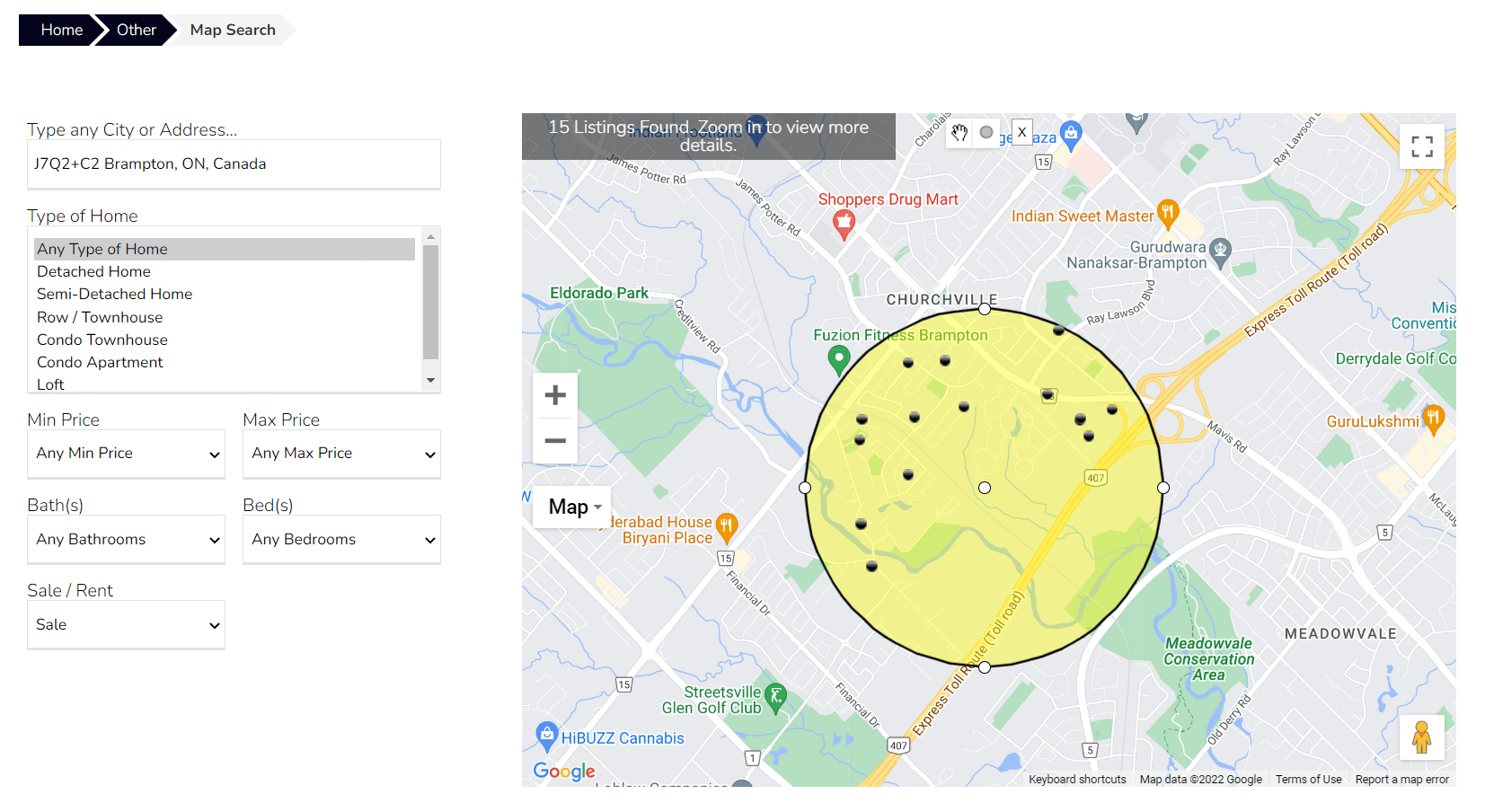
How Your Local Real Estate Agent Helps You to set the right search radius.

When buying a home, it’s important to find the right location. We can help you narrow down that search radius so you don’t miss out on your dream home!

Finding a home is easy when you have a lot of options. It’s much harder to sort through all those listings and find a home that works for you and your family. It all comes down to location! It can be hard to manage your commute, school districts, and other amenities in your neighborhood. Setting your home search radius is an important part of making sure you have everything you desire from your new home.

Local expertise is required to set your search radius. Local knowledge is essential to help you define your search parameters. This will ensure that you don’t waste your time looking at houses that don’t have the amenities or schools you desire. Focused search is key to finding the right home in a market with many properties still available. Find out how a local agent can help you narrow down your search.

What is a Search Radius?

Search radius is a search which allows you to choose a central point, and then search for homes in a circle that is equal or less from that point. Your search radius is simply the area where you are most serious about finding a home. A search radius may be set with your school or work at the center. This assumes that you won’t need to travel far to return home at the end of the day. A search radius may be set around desirable neighborhoods to find amenities and features that you like.

It’s not easy to set your search radius. Different areas may have different transportation options, neighborhood features, or school districts. It’s not as easy as drawing a circle on the map to set a search radius. You will need to make complex decisions about property prices, neighborhood characteristics, budget, priorities, and other factors.

How does setting a search radius help with your home search?

When you start looking for a home, it is essential to define your search radius. Great properties are rare in GTA’s hot market. This makes it crucial to narrow your search so you don’t miss the right property. By focusing your search in a specific area, you can make the most of your time and ensure that you are able to move quickly on the right property.

Your search radius doesn’t have to be a permanent part of your home search. Your search radius will change as you discover more about the properties available in the area. This is due to factors such as your budget, availability of property, and your knowledge of the surrounding neighborhoods. This knowledge can be used to help you focus your search efforts.

Local agents are neighborhood experts

You’re not just buying four walls and a roof when you buy a home. Each neighborhood has its own features, amenities, and drawbacks. It can be difficult to understand what you should expect from your new house if you aren’t moving within the same community.

The best local agents have a deep understanding of every aspect in their communities. Your local agent will help you set the right search parameters to ensure that you only look at homes that meet your criteria. This includes helping you understand neighborhood pricing trends, evaluating local transit options, and knowing all of the cultural features, educational opportunities, and restaurants around. A home located a little outside of your initial search radius might have the features you are looking for, as well as better traffic or transportation options that may work with your search priorities. Contrarily, you might not find the best neighborhood features in a home located closer to your search radius. A local expert can help you narrow down your options and locate the most suitable search area. An hyperlocal agent can help you identify potential properties and neighborhoods that match your criteria.

Local agents are also connected. Local agents are connected to other agents in the region and can help you identify potential sellers who may not have yet listed, but might be open to accepting an offer. A local agent’s expertise and advice can help you adapt to changing circumstances and find the perfect home.

Team Arora is in Your Neighborhood

Team Arora has 3 offices throughout Brampton, Mississauga and Halton Hills. This gives you unparalleled local knowledge for your home search. Team Arora agents can help you locate hidden gems in unfamiliar areas. They combine hyperlocal knowledge with a wealth information about the culture and real estate market.

A professional will give you the best advice about location, price, and neighborhoods. Your success is our goal. We will help you assess your options and make the right decision for you and your family.

If home means more, you need a team with more to offer

We know that your home is more than four walls. Selling or buying a home can be a major decision. Our homes are more important than ever. Your local Remax Team Arora’s agent will be there to help you every step of your journey, from helping you find the right home to connecting with experts in title and mortgage. We’re there to help, no matter if it’s the beginning or end of a story.

Mississauga Location

268 Derry Rd W Unit 101, Mississauga, ON L5W 0H6