GTA home prices up 28% from last year: TRREB

TORONTO — There was no relief for Greater Toronto Area homebuyers last month as the average home price increased up to nearly 28 per cent when compared with last year as a lack of supply continued to hamper the market.

The Toronto Regional Real Estate board said Thursday the average selling price for a home in the region surpassed $1.3 million last month, up from just above $1 million last February and more than $1.2 million in January of this year.

The average price of a detached home hit more than $1.7 million last month, with semi-detached properties at $1.3 million, townhouses at $1.1 million and condos nearing $800,000.

The Ontario board laid much of the blame for the soaring prices on demand greatly outpacing supply and thus, fueling a market where bidding wars, few sellers and a frenzied atmosphere have been the norm.

“I’ve had clients break down and cry for me because when they lose out on a bid, they’re just so frustrated,” said Despina Zanganas, a Toronto realtor with PSR Brokerage. “They put in what they think is really reasonable and it goes for like $100,000 more than they would have expected.”

Condo prices, she said, have been “crazy crazy crazy” in recent months because people are realizing that houses are increasingly expensive, so they are shifting to the most affordable homes “just to get their foot in the door.”

Many sellers also have high expectations. They’re listing homes at elevated prices and if they don’t get the amount they want, she has seen them relist again for a higher amount, driving more anxiety to buyers.

But over the last week, Zanganas has noticed a slight easing in the market and some homes she has kept tabs on have received far fewer showings than she would have predicted.

The board made similar observation after it detected in February that the region is making a “modest move” toward a “slightly more balanced” market.

Those traces of an easing came in the form of new listings, which are still down from a year ago, but by a marginally lesser annual rate than sales.

New listings for the month totalled 14,147, an almost seven per cent drop from 15,146 last February.

“People are just holding onto their houses because there’s no inventory,” Zanganas said.

“If you sell, how are you going to buy? And it’s probably not going to be a step up.”

Meanwhile, 9,097 homes changed hands last month compared with 10,929 last February and 5,622 in January of this year.

That means February home sales were down compared with the all-time record set in 2021, but still eked out the second highest sales rate for the month.

TRREB had forecast sales would be lower this year because many people rushed to purchase homes last year or in the early weeks of 2022 in a bid to get ahead of looming interest rate hikes.

On Wednesday, the Bank of Canada hiked its benchmark interest rate to 0.5 per cent from 0.25, where it has sat for the last two years of the COVID-19 pandemic and served as an incentive to cash-strapped buyers.

TRREB believes the rate hike will have a “moderating effect” on home sales, but will be countered by substantial immigration levels and a continued lack of supply.

It does not see home prices abating in the near-term.

“Because inventory remains exceptionally low, it will take some time for the pace of price growth to slow,” Jason Mercer, the board’s chief market analyst, said in a news release.

“Look for a more moderate pace of price growth in the second half of 2022 as higher borrowing costs result in some households putting their home purchase on hold temporarily as they resituate themselves in the market.”

This report by The Canadian Press was first published March 3, 2022.

By Tara Deschamps, The Canadian Press

Why Real Estate Syndication is a great option for Investors

A lot of people think that they need years before being able to move onto their next investment property but this couldn’t be further from reality! One great option for gaining financial momentum is through what’s called “real estate syndication.” Using property syndication method will allow investors like yourself leads them quickly towards becoming financially stable while still having control over all aspects including planning, acquiring property, satisfying registration and disclosure rules, and marketing allowing even greater return on cost than if purchased individually at market rates because fellow entrepreneurs may have lower overhead costs due simply by working together rather then Each person doing things separately.

If you’re eager to learn more about real estate syndication and how it can help your finances in the fastest way possible, keep reading.

Owning a piece of property can be a great way to invest your money and see some serious returns, but it can also be expensive and little bit risky.

The risks associated with real estate investment are well known – you could lose your investment if the property value goes down, or if you’re unable to find a tenant or make mortgage payments.

Real estate syndication is one way to help mitigate these risks. By pooling resources together, you can spread the risk among more people, and reduce the impact that any one individual’s misfortune might have on the group as whole. And if everyone in the syndicate does well, everyone profits!

Real estate syndication is a great way to get into the property market without having to go it alone. By teaming up with other investors, you can share the costs and benefits of owning property. This can be a more affordable and less risky option than buying a property on your own.

Not only will you be able to invest in some of the best properties in the market, but you’ll also have access to expert advice and support from the rest of the syndicate. This can be an invaluable resource when it comes time to make decisions about your investment.

In most cases, there are two roles in real estate syndication: the syndicator and the investor. The sponsor is also known as the syndicator.

What you’re best suited for is determined by your talents, competencies, means, and funding available.

The Difference Between Crowdfunding and syndication

In the last decade, the terms “syndication” and “crowdfunding” have been used interchangeably. These two words, however, are not synonymous. Investors are found through syndications, which are financial interactions or partnerships between them. One method of locating these investors is to use crowdfunding.

What is real estate crowdfunding?

The process of seeking for and engaging investors is referred to as crowdfunding. It might be utilized for a variety of reasons outside real estate syndications. You may have come across or given money to a GoFundMe site, for example. “Crowdfunding” would be the catch-all phrase that describes this sort of marketing and accepting fast cash. Entrepreneurs or individuals wanting to start up a new business or buy real estate might also crowdfund – they can create a blog or website where they advertise their objectives in the hopes of gathering a “crowd” of investors. Each type has three basic types: equity-based, donation-based, and debt-based.

What is a real estate syndication?

Signing over your partial investment and agreeing to the conditions set by the project’s manager is how syndications work. You can then leave the rest of your decision-making responsibilities to the project/investor manager, who will hopefully help you achieve your agreed-upon return on investment. The following are some of the major advantages of investing in syndications (1) the ability to invest in a larger transaction than you could do on your own, (2) you don’t have to worry about day-to-day specifics and procedures, and (3) at the same time, you may potentially make more money than with a smaller solo investment.

Make sure you choose your position wisely.

If you’re good at finding and managing houses but don’t have a lot of cash, a position as syndicator might be ideal. The sponsor searches for and secures the property with a contract, usually controlling the investment as well. Occasionally, the sponsor will put in a little bit of money (maybe 5%–10%).

The syndicator typically receives an acquisition fee for bringing in the deal, which is essentially a commission. The fee varies, but it averages around 1%.

The lender provides the funds to purchase, renovate, or operate the property. The syndication is complete once it’s secure or sold in a planned exit strategy. Those members are looking for a passive role in which they put their money into the deal and receive a return on that investment every month or quarter.

The sponsor receives a share of the profits, regardless of whether or not he or she put money down. The sponsors, on the other hand, offer the other investors an annual “preferred return” ranging between 10% and 12%.

There are several options for sharing the profits.

Consider the following scenario. You’re a sponsor who bought a property for $1 million. Four lenders provided $250,000 to make up the total of $750,000, but all five of you have agreed to invest in 20% of the business.

A deal has been done between you and the other investors. You’ll receive a 1% fee of $10,000, which is a total of $1,000 each. The building’s yearly net operating income is $80,000. Each investor who put cash in receives a 5% preferred return, or $12,500 per person. You distribute the remaining $30,000 five ways at a cost of $6,000 each.

For the investors, this is a 7.4% yearly return on their money. That’s in addition to any appreciation in the property they may profit from when it sells. You’ve made $16,000 without putting any of your own money into it as the sponsor.

If the property is managed by a third-party property management firm, this scenario takes place. You may charge a management fee based on rents if you,

Let’s assume the group agrees to pay you to collect rents, maintain the property, pay the bills, and keep it in good shape. They’ll give you a 10% management fee on $120,000 gross income. This is $12,000 more than the $6,000 profit you’ve made as a return over the previous five years.

Of course, you don’t have to split the returns equally. You could give 70% of the profits to the passive investors and 30% to you as the sponsor. It’s possible that 80/20 or 50/50 is more appropriate. It’s up to the syndicator and investors to work it out. It might be connected to how much effort you invested in getting and maintaining your investment.

If you buy a home with a lot of work ahead of it and will handle it on your own, you should take a greater percentage of the profits. Evicting tenants, maintaining the property, or making improvements to make it more appealing to renters might be necessary. That’s unquestionably worth more money.

Make a decision.

Syndications are generally set up as a limited liability company or a limited partnership. The sponsor in these instances is referred to as the managing member or general partner, depending on your state’s legislation. Limited partners or simply members make up the investors.

The possibilities for a syndication agreement are endless. To assist you in drafting a contract that protects everyone, get guidance from an experienced real estate lawyer. Working with someone who has prior syndication expertise is ideal.

Make sure everyone is on the same page at all times by establishing voting rights and communication standards. You may also want to hold quarterly lunches or meetings to talk about the property’s development and future steps.

Exercise caution

While being a sponsor appears to be an excellent opportunity, you have a significant duty to your investors. They’re counting on you for knowledge and diligence, as well as for fiduciary care of their money. You must be skilled at active asset management, but you’re also responsible for reporting and accounting. As a result, you’ll need the ability to manage files effectively.

Make sure you can do the job well when you’re applying for investment funding for a project. The sponsor’s duty is usually to handle any issues that arise, and your passive investors are inactive for a reason. They don’t want to deal with the day-to-day frustrations of operating an income property. That’s why they pay you extra money.

Keep a close watch on the situation, and be ready to respond to risks as they arise. To advise your investors on the property’s exit plan, as well as suggested selling windows.

Despite the difficulties, real estate syndication may be a success for real estate investors. Just make sure you put in the effort and have faith in your partners.

 

How To Boost Your Home’s Curb Appeal This Spring

This Spring, enhance your home’s curb appeal to improve its attractiveness to potential buyers.
Spring is a fantastic time to put your house on the market! Spring’s momentum is rapidly increasing, but many homeowners are still concerned with thawing ice, a coating of muck, and even snowfall. With changeable weather in the early spring months, achieving that stunning summer curb appeal may be tough. While buyers are well aware that the spring weather has an impact on how people see your home for sale, making that ideal first impression is never far from their thoughts when selling theirs.

We have some fantastic ideas for making your home’s curb appeal outstanding in this spring months.

Keep your home clear of debris as the snow melts.

Spring is coming, which means the snow will start melting! All that snow covered up all the extra clutter on our porch lawn. Now it will be melted, and we have to deal with all of that mess!

This can be an excellent opportunity to clean up your home’s exterior and increase your curb appeal. By following our tips, you will make your house look amazing and get it ready for potential buyers. Curb appeal is vital in getting people interested in your property – so make sure to follow our tips!

Actually, Cleaning up your exterior space is essential to giving that excellent curb appeal. Remove any waste bins, trailers or boats from the driveway so it’s clear and easy to see what you have available for potential buyers who are looking at moving into their next home! If there’s anything left behind like gardening tools in summertime, then be sure not forget about them as well – this will only help improve how attractive our neighbourhood looks on foot when people pass by walking along Main Street.

It may seem like some small tasks, but they can make a difference if taken care of. By cleaning up your home’s exterior, you can make it look nicer and improve its value.

Create an Inviting Entrance through your door.

It’s all about making a good first impression! Make an impression on potential buyers by setting the stage. It is entirely feasible to accomplish with little effort.

While watering the ground and planting a beautiful garden may not be possible until later in the spring, including a few hardy container plants will brighten up your doorway while Mother Nature catches up! Tulips, daffodils, and hyacinths are wonderful, hardiespring flowers that will provide a lovely burst of color. A modest amount of durable greenery is also permissible. You could keep your container plants in the car or in the mudroom till the storm passes or overnight temperatures rise.

Paint your door and trim on your front porch to bring fresh life into your home after a long winter and to brighten it up. You may either keep the same colors or try something new for fun.

Finally, a welcome mat is an excellent method to add warmth and color to your front walk. A simple welcome design on a clean coco coir welcome mat will go a long way in making your outside more inviting.

There are a few more reminders to bear in mind while designing an appealing threshold is that less is better. It’s tempting to go overboard, but it may ultimately be distracting to your home’s natural appeal. A clean, bright entryway is preferable to having too much clutter. For additional ideas on decluttering your house, check out our blog post about organizing your possessions.

Use artificial turf to revive your damaged lawn.

Front yards are the first thing potential homebuyers notice about your property. If it’s looking worn or outdated, they may walk away without considering listing with you because of how unimpressive that area is compared to other listings in better condition.

Front yard upgrades can be costly and time-consuming, but if done suitable – even synthetic lawns- will make any house more appealing on paper (and maybe turn heads before someone walks down those curb appeal streets).

Installing our artificial turf will revive your damaged lawn, make it look new again in just a few hours, and increase your curb appeal. Plus, you won’t have to worry about pesky maintenance or watering.

Keep up with Springtime Home Maintenance

When your house is in need of attention, it’s easy to see. As a result, keeping up with your spring home maintenance should always be at the top of your priority list, especially if you are selling your property. Cleaning out and maintaining your gutters will improve the curb appeal of your property and get it in the best shape possible for purchasers.

Adding some exterior lighting, either functional or decorative will impress buyers and boost your home’s curb appeal. This is especially beneficial during the spring since we know that the days are starting to get longer, but evening showings may still be darker hours of the day. Since the exterior is often a great selling point, consider adding conversation areas or outdoor living spaces.

Finally, make sure your entrance and pathways are clear of snow, mud or ice as well. Depending on how many showings your home has scheduled, you may want to incorporate this into your daily routine so pathways are clean and clear at all times.

Here are the top five costly mistakes home buyers make.

1. Mistake Uncertain of what they can afford before they make an offer.

The most effective way to prevent this from happening is to apply for pre-approval for a mortgage, which means you know precisely how much you’re able to pay. Pre-approvals typically cost nothing.

2. Uncertain of who the agent represents.

If the agent isn’t acting as your buyer’s agent and represents the seller. Most people aren’t aware of this.

3. Mistake The wrong mortgage to choose.

A poor mortgage could result in tax penalties of thousands and interest. Ask an accountant for advice prior to you decide on the mortgage you want to take out.

4. Mistake Finding no issues with the house prior to buying it.

Always get a professional inspection at the house prior to buying it, as you might end up with enormous repair costs later. Learn this article to avoid the trap of a financial loss.

5. Mistakes Unaware of how their credit will affect their ability to buy or refinance a house.

Find a mortgage expert to guide you through and create your credit report before buying a home.

The most important thing is to hire a trusted and licensed realtor who will assist you throughout the buying process.

A Look at Mississauga’s New Pre-Construction Condos

Mississauga is Canada’s one of the largest cities. It has become a vibrant economic and cultural hub, and It offers a variety of living experiences through its increasing stock of condos and homes.

About Mississauga

Mississauga is surrounded by beautiful Lake Ontario shorelines, home to many waterfront condos and homes. The old village of Port Credit was transformed into a pedestrian-friendly shopping district. The Square One Shopping Centre is located further north on Hurontario Street, the city’s main thoroughfare. It also houses a large number of corporate headquarters. A string of communities along the Credit River to the west provide a family-friendly, lush living environment. In the city’s northwest corner is the former village of Streetsville. There are also several shopping centers and recreational areas scattered throughout the community.

Mississauga Transportation

MiWay is the city’s transit agency and offers a wide range of bus routes. Many use the Mississauga Transitway, which provides increased frequency and reliability. The Transitway runs approximately from Pearson Airport to Winston Churchill Boulevard via Square One. It is served by both GO Transit or MiWay routes. GO offers rail service to the area. The Lakeshore West runs parallel to Lake Ontario and offers high-quality service seven days per week. The Milton Line runs through the city’s centre and western reaches and offers ten round trips on weekdays. As well, the opening of the Hurontario LRT in 2024 provides transit access for those commuting from north to south in Mississauga. There are four major highways – Highway 401, Highway 403, Highway 407 and Highway 410 – all crossing through the Mississauga city.

If you’re looking to buy your first home, but don’t have the money to get into the market right now, it may be worth your while to look into Mississauga’s many pre-construction condo developments. With the right pre-construction condo, you can get into the market early, take advantage of great savings on your monthly mortgage payment, and build equity as the building itself rises around you. Here are some things to keep in mind if you’re considering getting into the Mississauga pre-construction condo market.

1. Lakeview DXE Club Condos

Lakeview DXE Club Condos

Developer: Vandyk Properties
Address: 1345 Lakeshore Rd E, Mississauga
Nearest Intersection: Lakeshore Rd E & Dixie Rd
Pricing: TBA
Occupancy: TBA
Storeys / Suites: 2 Towers – 8 & 12 Storeys / TBA
Suite Types: One Bedroom – Three Bedroom Suites
Suite Sizes: TBA
Maintenance Fees: TBA
Deposit Structure: ​TBA
Incentives*: Platinum VIP Pricing & Floor Plans, First Access to the Best Availability, Capped Development Levies, Assignment, Property Management & Leasing Services Available, Free Lawyer Review of Your Purchase Agreement, Free Mortgage Arrangements

2. The Vic Condos

The Vic Condos

Introducing The Vic Condos, the newest mid-rise condominiums coming soon to your town. You’ll find everything you need around here in beautiful Downtown Streetsville; with great food, shops and sights all just a few minutes away by car or bus. And when it comes time for higher education – Its right next door to the University of Toronto – Mississauga Campus!

Developer: Forest Green Homes
Address: Tannery St & Queen St S, Mississauga
Pricing: TBA
Occupancy: TBA
Storeys / Suites: 4 Storeys / TBA
Suite Types: One Bedroom – Three Bedroom Suites
Suite Sizes: TBA
Maintenance Fees: TBA
Deposit Structure: TBA
Incentives*: Platinum VIP Pricing & Floor Plans, First Access to the Best Availability, Capped Development Levies, Assignment, Free Leasing & Property Management Services, Free Lawyer Review of Your Purchase Agreement, Free Mortgage Arrangements
Suite Finishes: Laminate Flooring, Stone Kitchen Countertops, Stainless Steel Kitchen Appliances and more
Building Amenities: TBA

3. Eleven 11 Clarkson Towns

Eleven 11 Clarkson Towns

Eleven 11 Clarkson Towns new townhomes are coming to Clarkson Village in Mississauga, Ontario. These homes will be right next door to the shops and restaurants of Lakeshore, making it easy for residents to do everything they need without having to leave home!

Developer: Saxon Developments
Address: 1111 Clarkson Rd N, Mississauga
Nearest Intersection: Clarkson Rd N & Lakeshore Rd W
Pricing: 
Starting From The Mid $500s
Occupancy:
 December 2020
Suite Types: One Bedroom – Three Bedroom Suites
Suite Sizes: 690 sq ft – 1,687 sq ft
Maintenance Fees: Approx. $0.30 / sq ft
Deposit Structure: $10,000 on Signing // 5% Minus $5,000 in 30 Days // 5% in 180 Days // 5% in 300 Days // 5% on Occupancy
Incentives: Platinum VIP Pricing & Floor Plans, First Access to the Best Availability, Capped Development Levies ($5,000 for 1 Bed // $7,500 for 2 Bed // $10,000 for 3 Bed), Free Assignment (Value of $10,000), Property Management & Leasing Services Available, Free Lawyer Review of Your Purchase Agreement, Free Mortgage Arrangements

4. 91 Eglinton Ave East Condos

91 EGLINTON AVE EAST CONDOS (1)

Introducing a new condo community in the heart of Mississauga- at 91 Eglinton Ave East! Nestled between Hurontario St. and Eglinton Ave., you will never want to leave this condominium townhome block which features 6 towers and 2 buildings all within walking distance from everything that Mississauga has to offer. From major highways, shops and schools- it’s all right around the corner for you at 91 Eglinton Ave East.

Developer: Liberty Developments
Address: 91 Eglinton Avenue East, Mississauga
Nearest Intersection: Eglinton Ave E & Hurontario St
Pricing: Anticipated To Start From The ​High $400’s
Occupancy: 
Anticipated For 2024
Storeys / Suites: Six Towers – 13, 19, 24, 25, 35, & 37 Storeys / Suites TBA
Suite Types: One Bedroom – Three Bedroom Suites + 3-Storey Townhomes
Suite Sizes: TBA
Deposit Structure: TBA
Incentives: Platinum VIP Pricing & Floor Plans, First Access to the Best Availability, Capped Development Levies, Assignment, Free Lawyer Review of Your Purchase Agreement, Free Mortgage Arrangements, Exclusive 1 Year Free Leasing Services & 1 Year Free Professional Property Management Services*

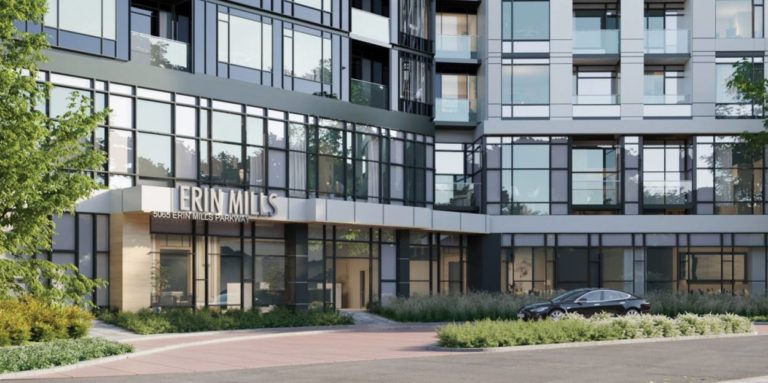
5.  Kindred Condos

Kindred Condos N

Introducing your next home- a beautiful new condo in Mississauga perfect for anyone who wants to be closer to everything. With Westwood Mall just around the corner, major highways and universities nearby, as well as being situated near other essential amenities; this is a great option for those looking for convenience.

Developer: The Daniels Corporation
Address: 2475 Eglinton Ave W, Mississauga
Nearest Intersection: Eglinton Ave W & Erin Mills Pkwy
Pricing: Starting From $485,900
Occupancy: February 2025
Storeys/Suites: 25-Storeys / TBA 
Suite Types: Studio – Two Bedroom + Den Suites
Suite Sizes: 433 sq ft – 953 sq ft
Maintenance Fees: $0.59/sq ft (Includes Bell Gigabit Fibe 1.5 Internet // Water & Hydro Separately Metered)
Deposit Structure: $7,000 on Signing // 5% Minus $7,000 in 30 Days // 1% in 90 Days // 1% in 120 Days // 1% in 150 Days // 1% in 180 Days // 1% in 210 Days // 5% in 400 Days // 5% on Occupancy
Incentives*: VIP Pricing & First Access to the Best Availability, Capped Development Levies, Free Assignment, Free Lawyer Review of Your Purchase Agreement, Free Mortgage Arrangements, One Parking Unit ($55,000 Value) + One Locker Unit ($3,000 Value for a half-height locker or $5,000 Value for a full-height locker) Available for ONLY $45,800!*, Capped Closing Costs (All One Bedroom + Den & Smaller – $10,000 + HST // All Two Bedroom & Larger – $12,500 + HST)
Suite Finishes: Laminate Flooring, Stone Kitchen Countertops, Stainless Steel Kitchen Appliances, Stacked Washer & Dryer
Building Amenities: 24/7 Concierge, Private Roundabout Driveway Entrance, Pet Wash, Co-Working Space, Bookable Boardroom, State-of-the-Art Fitness Centre, Yoga Studio, Party Room, Outdoor Playground with Firepit, Games Room, Outdoor Terrace, Gardening Plots

5 Tips for Buying an Investment Property

If you’re considering buying an investment property, there are several things to keep in mind before you commit to the purchase. The key to your success with the property will be researching and planning to know what factors will affect the house’s value and how much of your time and money you’ll need to put into it to maintain its value over time. Here are five essential things to consider before investing in a property. If any of these crucial things don’t make sense to you, or if you find them too complicated, be sure to talk with an expert who can help guide you through the process.

1. Risk in Real estate investing.

Real estate investing is a lower-risk option than other investments, such as stocks or cryptocurrencies. To assess the risks involved, it is essential to thoroughly research the property, the area, the appreciation over time, and future plans. You should also consider operating, mortgage, and maintenance costs when investing in property. 

2. Your Financial Situation

Before you consider investing in property, It is essential to assess your financial situation. These investments are not cheap, so be prepared to invest substantial money upfront and over time if you have to mortgage. When determining your financial situation, consider your income to debt ratio. This could make a difference in whether you can use your existing funds for the investment or not. Consider how much cash you have available after the acquisition. This can help with closing costs and emergency fund requirements.

3. Property Management

Depending on the type and size of your property, you might need management services to maintain it operational after you have bought it. It is wise to hire a property manager to manage your rental property. They can find tenants, handle legalities, and maintain the property. This will take the burden off your shoulders and allow you to concentrate on other investments and personal ventures.

4. Property location

The “where” is much more important than “what” when investing in property. Property prices heavily depend on the location of the property. The property price in urban areas will always be higher than those in rural and suburban locations. The high cost of living in urban areas will result in higher long-term profits. Because of the ease of access to transportation and social factors, urban lifestyles are often more appealing to the masses. Once you have purchased the property, the property’s location will be determined by who your target audience is. If you plan to rent your property out to families, you might consider buying a property in Brampton and Mississauga, the best places to purchase real estate in Ontario.

5. The One Percent Rule

The real estate’s one percent rule states that the monthly rent should not be less than 1% of the property’s price. Your property rent should cover your monthly mortgage payments. This ensures that you don’t invest your income in the mortgage but rent the property. This is what will make renting a rental property worth the investment.

Why is Housing Supply So Low in Ontario?

There are some reasons to be optimism given that housing starts increased dramatically in 2021 in the same year, and the efforts around the nation to tackle the shortage of housing are increasing. In spite of these encouraging signs, we remain convinced that the housing shortage in relation to the needs of the population will continue to exert upward pressure on rents and prices and lower the affordability of housing. There is still a lot to be done by policymakers to close the gap in housing.

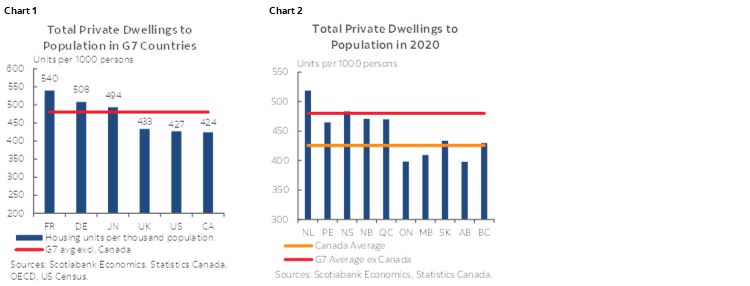
  • The housing stock in Canada that is adjusted to population is the lowest among the G7.
  • Results differ by provinces within Canada and Canada, and Alberta, Manitoba and Ontario having the lowest numbers of homes per person compared the others provinces.
  • Ontario would require more than 650,000 homes to bring its dwellings-to- people to be equal to all of nation

It’s no secret that people who want to buy homes are struggling to find one they can afford. In fact, even people who qualify for loans may still struggle because there aren’t enough houses to choose from! With so few choices, bidding wars are inevitable, making things even more difficult for buyers. So why does the housing market have such little selection? There are a few different reasons Why is Housing Supply So Low in Ontario?

housing market canada
Source: Scotiabank

Too many studio and one-bedroom condos

When it comes time to purchase homes in Canada, most Canadians prefer townhouses, semis, and detached homes. They are large and can enjoy a front lawn and a backyard. Although condos do not offer additional outdoor space but they are larger to allow for families. But, the majority of condos in the GTA are built to be used as investment properties. Developers target investors who are able to purchase multiple units at once, and later lease them to young professionals and students.

A family of three or more people can’t reside in a small 400 square foot condominium with a walled kitchen and no private space. The older condos located in Mississauga with more than 1,200 square feet are an ideal option, and there are plenty of families who live there. If you come across an old condo available for auction in Mississauga and you are able to purchase it, do so since it’s the best value for your money!

New Home Construction Fell in the back for a few years

The construction of new homes in single-family houses in the last five decades, and includes the average of long-term housing units built. Builders surpassed that average during the time of the housing bubble. This led to an oversupply of houses on the market, and the value of homes fell. This was among the reasons that led to the housing market crash in 2008.

The rate of construction for new homes has slowed. In the past 13 consecutive years, builders weren’t capable of building enough homes to match what was the average. This underbuilding has left us with an inventory deficit of multiple years that could turn into the epidemic.

The Pandemic’s Impact on the Housing Market

When the pandemic struck the country, it brought a new admiration and renewed appreciation for the importance of the home. The need for a secure place to work, live or study in, as well as exercise was even more crucial for Canadian all over the country. Therefore, when mortgage rates fell to less than 2%, buyers were eagerly entering the market to take advantage of these low rates to secure homes that could meet their ever-changing demands. In the meantime, sellers were reluctant to put their homes for sale as fears regarding the pandemic grew.

Lower mortgage rates

Bank of Canada dropped the mortgage rate from 5 percent to under 2 percent, which led to numerous Canadians to purchase homes. People who are looking to buy homes benefit from record-low rates of interest. The demand grew overnight, but the supply didn’t. The first houses sold at $300k to $400k more than the asking price. Many who did not desire to buy a house considered buying a panic house, believing that the prices would rise more.

Market Report Summary for January 2022

  • Average home prices in Ontario have increased by 25.6% in a year to $998,629
  • Toronto home prices increased by 24% year-over-year to $1.07M
  • Ottawa home prices increased by 15% year-over-year to $677k
  • Mississauga home prices increased by 30% year-over-year to $1.15M
  • Brampton home prices increased by 41% year-over-year to $1.37M
  • Hamilton home prices increased by 35% year-over-year to $976k

Here’s the thing: there are less houses on the market, and this is having a huge effect all across Canada. In fact, inventories are lower than ever before and if you’re thinking about buying in Central Ontario or anywhere else in the country – take notice!

If you are looking for property, there is no better time than now! Housing prices are skyrocketing due to limited supply. Low inventory means that this trend will continue over the next few years, so don’t wait too long!

For more information, please contact me at parveen@teamarora.com or +1 (416) 910-8923.


Canada Real Estate Statistics You Need To Know

There are over 140,000 real estate brokers, agents, and salespeople in Canada. Working through 79 boards, the Canadian Real Estate Association (CREA) reports that these professionals help more than 4.8 million consumers purchase homes every year.

In Canada alone, Statista.com reports 258,054 employees in the Canadian real estate industry in March 2021.

The largest real estate association in Canada is OREA, which is made up of 82,000 REALTORS® from 36 real estate boards. 

The most expensive residential property in Canada is a mansion Chelster hall in Oakville, Ontario.

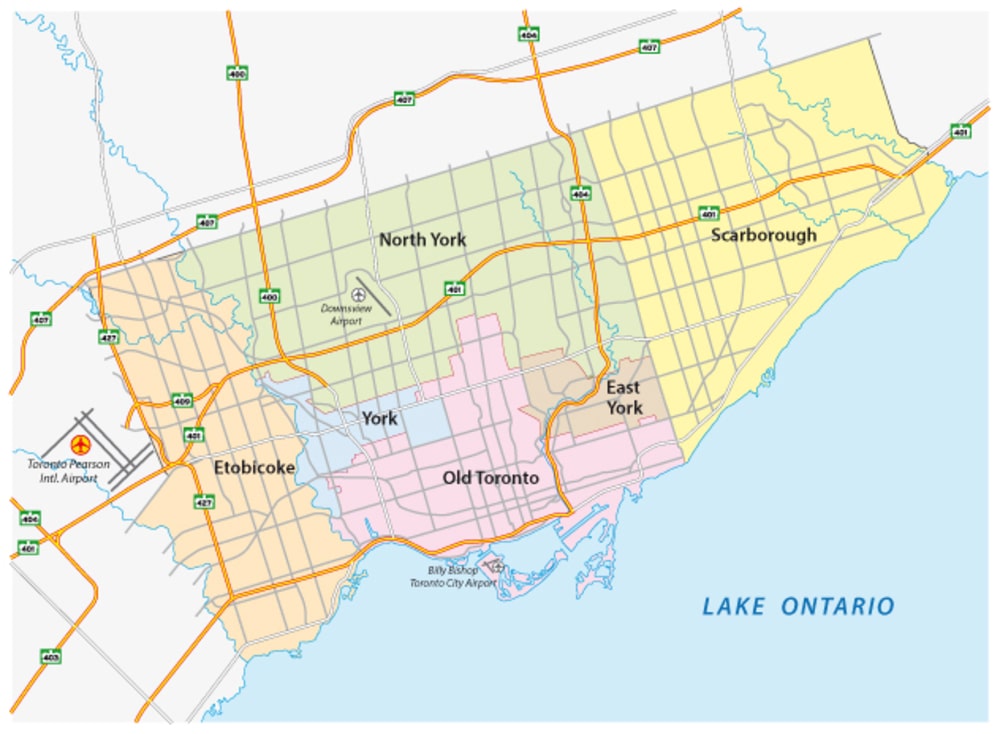
TREB is the real estate board for Toronto, North York, Scarborough and all of the Greater Toronto Area – one of the largest housing markets in Canada. TREB represents more than 62,000 salesperson and broker members who are responsible for more than 560,000 active residential real estate listings across the GTHA.

Although the real estate industry is booming, it is also highly competitive. A NAR study reported that an estimated 87 percent of all new agents fail within the first five years, with only 13 percent of agents being able to make it.

The national average home price in December 2021 was $716,585.

6 Things You should consider before Buying a House

The most important thing about moving is choosing the right neighborhood. What are the key characteristics to look for when choosing a neighborhood?

You can’t change the location of your home. Make sure it is in the right place.

6 things you should look out for in your neighborhood

1. Safety

Many homebuyers are concerned about the safety of their neighborhood. You should look for a safe neighborhood with a low crime rate.

Take a look at street lighting. Is the area well-lit? Are you considering buying a property near a well-lit area?

Is there a watchdog in your neighborhood? What is the crime rate in the area? Ask residents if they are walking their dog, or mowing their grass.

2. Commute

Consider your commute to and from the home. It’s not just about your commute to work. If you frequently travel, consider your commute to an airport.

Even if your work is remotely, it’s likely that you will be visiting the same places regularly. Perhaps you plan to visit a local physical therapist or take monthly business trips. You can find out what the commute costs to most frequently visited places by doing a quick search.

3. Walking Paths and Community Parks

You can take note of the community parks and walking paths in the area if you have children or dogs. You should look out for good parks, trails, and paths in your neighborhood.

Are the sidewalks in good condition? Are the playgrounds in good shape? Is the house close to trails and parks you enjoy?

4. School District

The school district in which the home is located is one thing you can’t change. This is why it’s important to find a great school district in your neighborhood. Ask your agent to provide information about the school district, including the reputations and test scores of the schools.

Even if your children do not live with you, or you are planning to send them to private school, the school district will be relevant for your resale. It doesn’t have to be a deal breaker. However, it is important to know that a less desirable school district may impact your property value when you refinance or resell.

5. Shopping, Restaurants, and Entertainment

Consider the proximity of shopping, entertainment, and restaurants. Consider the distance between your home and the grocery store. Also, consider whether there are nearby restaurants or coffee shops that you might enjoy.

Is there an event venue nearby? What about nightlife? These may be considered pros or cons, depending on how you live and what level of traffic and noise you enjoy.

6. Medical Facilities

No matter how often you need medical attention, it is important to find quality facilities in your neighborhood. Check out the reputations of nearby hospitals.

You should consider whether primary care providers are available near the property. How close is your home to any specialists if you need them? While many people are happy to commute to see the right provider for their care, it is important that you understand these details before you make your final decision.

We are available to assist you when you’re ready to move. Get in touch with us today to get going!

Mississauga Location

268 Derry Rd W Unit 101, Mississauga, ON L5W 0H6